
Creating a Strong Digital Communication Framework Enhance Your Organization's Communication EffectivenessIn an ever-evolving digital landscape, fostering effective communication within your organization is paramount to success. This article highlights essential strategies to create a robust digital communication framework, emphasizing clarity, the importance of technology, and the need for a results-oriented approach. Key Components of Effective Digital CommunicationTo achieve impactful communication, organizations should prioritize clarity. Utilizing straightforward language and avoiding jargon can significantly improve understanding among team members. In addition, the selection of appropriate tools—such as Slack and Microsoft Teams—can enhance collaboration, particularly in remote settings. Regularly updating your tech stack is critical to meet the dynamic needs of your workforce.Establishing clear communication guidelines can further enhance effectiveness. These guidelines should encompass response times and best practices for virtual meetings, which can foster higher morale and productivity. Foster a Culture of Continuous ImprovementImplementing a feedback loop where team members can voice their experiences with communication tools is crucial for continuous enhancement. Organizations that solicit and act on feedback often witness a notable increase in productivity. Creating opportunities for anonymous feedback encourages openness and builds trust, leading to a more engaged workforce. Shift Focus from Hours to OutcomesThe traditional metric of measuring productivity through hours worked has become outdated. By pivoting to a results-oriented approach, organizations enhance both efficiency and employee satisfaction. Research shows that when employees feel trusted with their time, they produce better results. Establishing performance metrics that are specific and measurable can help guide this transition. Invest in Technology and ResourcesFor remote-first companies, investing in cutting-edge technology is essential for increasing productivity. Organizations that integrate advanced collaboration tools can see remarkable improvements in workflow efficiency. Paired with effective resource allocation—guided by data-driven decisions—companies can enhance their operational capabilities and responsiveness to market changes. Cultivate a Strong Company CultureDefining core values is fundamental in shaping a positive company culture. Regularly revisiting these values enhances trust and team alignment. Additionally, fostering open communication and prioritizing employee well-being are essential in maintaining a productive and engaged workforce. Wellness initiatives, like virtual activities, not only promote community but also mitigate burnout. Encourage Regular FeedbackCreating a feedback culture begins with transparent communication channels. Regular check-ins, anonymous surveys, and structured feedback sessions can uncover valuable insights for improvement. However, it’s crucial that organizations adapt based on this feedback, ensuring that employees see their input lead to actionable changes. Leverage Technology for Improved CommunicationUtilizing technology effectively can streamline feedback management and enhance communication processes. Tools like Trello or SurveyMonkey simplify feedback collection while visualizing progress on any changes made. This not only boosts team dynamics but also creates an environment where each member feels valued and heard.---Implementing these strategies can significantly enhance your organization's digital communication effectiveness, bolster employee morale, and position your company for sustained growth and success in today's fast-paced environment. Embrace these tactics today and witness the positive transformation in your organizational dynamics.

Effective Strategies for Enhancing Collaboration in Distributed TeamsCreating a thriving environment for distributed teams requires deliberate strategies to enhance collaboration, communication, and engagement. In this guide, we explore key approaches that can significantly boost team dynamics in remote work settings. Foster Open Communication Channels Establish Regular Check-InsRegular check-ins are vital touchpoints that enable real-time communication among team members. Incorporating structured meetings can lead to a 30% increase in project success rates. Utilize video conferencing platforms effectively and set clear agendas to ensure productive discussions. Utilize Collaborative Tools EffectivelyIntegrating tools like Slack and Trello can streamline information sharing and boosts productivity by up to 25%. It's important to select tools that cater to your team's unique needs and conduct training sessions to enhance utilization. Promote a Culture of TransparencyTransparency fosters trust within teams, increasing employee satisfaction by up to 35%. Maintain an open digital library for information sharing and keep your team informed to promote a sense of belonging, even across distances. Encourage Social InteractionsBuilding social connections can enhance productivity by 20%. Organize casual virtual meetups and themed days to encourage team bonding, share achievements, and foster camaraderie. Solicit Feedback RegularlyCreating a culture of feedback contributes significantly to team engagement. Organizations that prioritize feedback report a 14.9% boost in productivity. Use anonymous surveys and suggestion boxes to empower team members while making necessary improvements. Encourage Team Collaboration through Digital Tools Importance of CollaborationCollaboration is pivotal for the success of distributed teams as it combines various skills toward shared goals. Leveraging digital tools effectively can bridge the gaps caused by physical distances. Selecting the Right Digital ToolsTools like Microsoft Teams and Asana enable seamless communication and progress tracking. Tailor tool selection based on team needs to enhance engagement and productivity. Establish Clear Communication PracticesTo ensure effective collaboration, establish protocols for communication, meeting schedules, and channels. Encouraging asynchronous engagement among team members accommodates different time zones. Foster a Collaborative CultureInitiatives such as virtual team-building exercises can encourage teamwork and unity. Investing in professional development activities can also enhance camaraderie while advancing team skills. Celebrate Accomplishments and Foster Community Recognizing AchievementsAcknowledging individual and team achievements fosters a culture of recognition, leading to a 14% productivity increase. Use various platforms for visibility and incorporate peer recognition. Creating a Sense of BelongingOrganizing informal social activities strengthens team connections and engagement, enhancing productivity and retention rates. Utilize Technology for CelebrationsEmbrace technology to make remote celebrations possible, from virtual happy hours to gamified recognition activities that maintain team excitement and morale. Provide Professional Development Opportunities Importance of Continuous LearningProfessional development is key to employee satisfaction and retention. Offer tailored opportunities such as workshops and mentoring programs to support employees’ growth and keep them updated with industry trends. Measuring Program EffectivenessMonitor the outcomes of development programs through engagement scores and retention rates to continually enhance these initiatives. Maintain Flexibility and Trust Importance of FlexibilityFlexibility helps cater to personal work rhythms, promoting creativity and productivity. This also fosters a culture of trust within teams, positively influencing employee commitment and collaboration. Building Trust Through CommunicationImplement consistent communication practices, including regular check-ins and transparent decision-making, to build a trusted environment where team members feel valued and engaged.Embracing these strategies can significantly enhance the effectiveness of distributed teams, leading to improved collaboration, engagement, and overall business success.

1. Foster a Culture of CommunicationEstablishing clear communication channels like Slack, Zoom, and Microsoft Teams helps minimize feelings of isolation for remote workers. Regular feedback loops through one-on-one check-ins can increase employees’ motivation, as research shows that consistent recognition leads to higher engagement levels. 2. Set Clear Goals and ExpectationsDefining achievable metrics and regularly reviewing progress keeps employees aligned with company objectives. Setting realistic goals empowers team members by providing direction and enhances motivation. By adapting expectations and recognizing employees’ personal circumstances, organizations can create a supportive work environment. 3. Recognize and Reward AchievementsAcknowledging employee accomplishments is vital for maintaining motivation. Organizations that implement recognition programs, whether through virtual awards or tangible rewards, foster a culture of appreciation. Check-ins can serve as opportunities to recognize achievements, strengthening interpersonal connections across remote teams. 4. Promote Work-Life BalanceEnsuring a healthy work-life balance can prevent burnout and sustain motivation. Implementing flexible work hours and encouraging regular breaks allows employees to maintain personal interests alongside their professional commitments. Initiatives focusing on health and wellness can further enhance job satisfaction and loyalty. 5. Invest in Professional DevelopmentProviding opportunities for skill development reflects an organization's commitment to employee growth. Mentorship programs and access to online learning tools can foster continuous improvement. By outlining clear career paths and facilitating networking opportunities, organizations can empower remote employees, creating a more engaged workforce.In conclusion, investing in a motivated remote team requires a multifaceted approach that emphasizes communication, goal-setting, recognition, work-life balance, and professional development. By leveraging these strategies, organizations can not only improve engagement levels but also drive success in a remote work world.

A Comprehensive Guide The Foundations of Organizational CultureOrganizational culture encompasses the foundational aspects of any company, characterized by its values, beliefs, behaviors, and norms. Distinct elements work collectively to create a unique environment influencing decision-making and establishing expectations. In examining the dimensions of culture, Edgar Schein's research highlights three crucial levels: artifacts, espoused values, and underlying assumptions. This complexity drives performance, showcasing that a strong culture can lead to consistent success, while misalignment causes confusion. Leadership's Critical RoleLeadership is pivotal in shaping and nurturing organizational culture. By embodying the values and behaviors they wish to promote, effective leaders inspire employees to mirror the desired culture, fostering engagement and motivation. Clear communication of cultural vision is paramount; when leaders articulate the organization's goals effectively, employees feel aligned and valued. Regular feedback loops create an inclusive environment, which is crucial for organizational commitment and performance. Measuring and Evolving CultureTo understand how organizational culture impacts performance, it is essential to measure its health through employee surveys, focus groups, and cultural audits. By identifying strengths and weaknesses, organizations can promptly address areas needing enhancement. With continuous evolution as a cornerstone, adapting culture to emerging trends is vital for long-term success. Organizations that empower employees to contribute to cultural evolution foster ownership and satisfaction. Embracing Cultural DiversityCultural diversity in the workplace significantly enhances performance. Diverse teams bring innovative perspectives that drive problem-solving and creativity. Studies show that inclusivity leads to improved collaboration and employee engagement, reducing turnover and heightening job satisfaction. Leaders can enhance organizational culture by championing diversity initiatives while fostering an environment that welcomes varying viewpoints. Strategies for Cultural Enhancement and Employee EngagementOrganizations can boost engagement and performance through deliberate strategies:- Open Communication: Regular feedback fosters trust, ensuring alignment between employees and organizational goals.- Recognition Programs: Acknowledging employee contributions strengthens their sense of belonging, positively affecting performance.- Promoting Work-life Balance: Offering flexible arrangements demonstrates a commitment to employee well-being, crucial in maintaining engagement levels. The Link Between Culture and PerformanceExamining the effects of culture on employee engagement reveals a direct correlation—companies with positive cultures experience higher profitability and satisfaction rates. Additionally, cultural assessments allow organizations to tailor strategies addressing specific needs, reinforcing a culture of responsiveness. ConclusionA strong organizational culture is instrumental in driving performance, engagement, and innovation. Embracing diverse perspectives while fostering a supportive environment can lead to significant advantages in today's competitive landscape. Leaders must actively shape, measure, and evolve this culture, recognizing its influence on employee behavior, satisfaction, and, ultimately, organizational success. By prioritizing these elements, companies can create a thriving workplace that not only attracts top talent but also nurtures their growth and commitment.
Strategies for SuccessEffective communication is essential in both personal and professional settings. This comprehensive guide focuses on key strategies to enhance communication skills, including active listening, transparency, tailored messaging, technology integration, and constructive feedback. 1. Prioritizing Active ListeningActive listening is not just about hearing words; it involves fully engaging with the speaker. Research indicates that individuals retain only about 25% of what they hear. Practicing active listening fosters trust and encourages open dialogue. Methods such as making eye contact, asking open-ended questions, and summarizing key points can improve understanding and collaboration. 2. Embracing Transparency and OpennessTransparency is a powerful communication principle that enhances workplace morale and trust. Organizations that prioritize transparency see a notable increase in employee engagement. Regular updates, feedback channels, and clear communication norms support an open environment, empowering team members and reducing misunderstandings. 3. Tailoring Communication StylesUnderstanding the preferences of your audience is critical for effective communication. Different groups have varying levels of comprehension and expectations. By analyzing audience needs and adapting communication styles—be it through simplifying language or using industry-specific terminology—you can significantly enhance engagement. 4. Utilizing Technology to Enhance EngagementTechnology plays a vital role in modern communication strategies. Employing data analytics allows organizations to tailor communications based on user behavior. Interactive technologies like live polls and webinars can also enhance audience participation, making the communication process more dynamic and engaging. 5. Encouraging Constructive FeedbackConstructive feedback is essential for team development and cohesion. Providing specific, actionable feedback reduces conflicts and misunderstandings, promoting a culture of growth. Regular assessments and fostering a feedback-friendly environment enables teams to evolve and enhance overall performance.By implementing these strategies, individuals and organizations can cultivate a more effective communication culture that not only boosts productivity but also strengthens relationships. Embrace these practices to see noticeable improvements in your communication dynamics and organizational success.

The Cornerstone of Organizational Success The Importance of Employee Well-BeingUnderstanding the significance of employee well-being is crucial for organizations aiming to boost productivity and profitability. According to Gallup, companies with engaged employees experience a staggering 21% higher profitability. By prioritizing mental health, work-life balance, and overall employee satisfaction, organizations can foster a culture where employees feel valued and motivated to perform at their best. Productivity and EngagementResearch shows that organizations focusing on employee well-being not only enhance individual performance but also significantly lower absenteeism, leading to seamless operational efficiency. This not only stabilizes productivity levels but can also propel them to new heights. Supportive Work EnvironmentCreating a supportive work atmosphere is vital for promoting employee well-being. This entails offering flexible working hours, remote work options, and open channels of communication. When management actively listens to employees, it cultivates psychological safety, thereby making employees feel more engaged and valued. Enhancing Mental Health ResourcesEmployers are encouraged to prioritize mental health by providing access to professionals and workshops focusing on stress management. With statistics indicating that 1 in 5 adults face mental health issues annually, proactive measures in this area can dramatically improve workforce well-being and performance. Leadership's Role in Well-BeingLeaders hold the key to embedding a people-first culture that emphasizes employee well-being. By modeling self-care and promoting a dialogue around health, leaders can create an environment conducive to employee engagement. Equipping leadership with the necessary skills to recognize burnout and stress will further enhance workplace culture. Measuring Employee Well-BeingAssessing employee well-being requires implementing tools such as satisfaction surveys and assessments. Regularly evaluating data helps organizations pinpoint areas needing improvement and ultimately strengthens business performance. Open CommunicationCreating a safe space for open dialogue is essential for fostering a culture of communication. By establishing an environment void of fear, employees are more likely to share their insights and suggestions, driving innovation and performance. Investing in Employee DevelopmentOrganizations that invest in employee development witness significant gains in performance and employee loyalty. Tailoring training programs is crucial, as every employee has unique learning styles. Continuous learning through e-learning platforms and mentorship establishes a culture of growth, ultimately benefiting the organization. Recognizing and Rewarding ContributionsEffectively recognizing employee contributions is essential for enhancing workplace morale. Companies with strong recognition practices witness higher engagement and reduced turnover. By implementing a blend of formal and informal recognition, organizations can create a culture where employees feel appreciated. Collaboration and Team DynamicsEncouraging collaboration among employees enhances problem-solving and decision-making. Utilizing tools for effective communication and scheduling team-building activities can help build stronger interpersonal relationships, leading to improved job satisfaction and reduced stress. ConclusionIn conclusion, prioritizing employee well-being, open communication, development opportunities, and recognition strategies is crucial for creating a thriving workplace. Investing in these areas not only enhances individual employee satisfaction but also propels organizational success and profitability.

Strategies for Success IntroductionCreating a positive work environment is essential for enhancing employee productivity, satisfaction, and retention. This article explores several strategies organizations can implement to foster an atmosphere of collaboration, inclusivity, and well-being. Importance of CommunicationEffective communication is vital for a thriving workplace. Employees who can freely share their ideas and concerns contribute to a more engaged and creative workforce. Organizations can enhance communication through regular check-ins and feedback sessions, leading to a 25% increase in productivity. Fostering Inclusivity and DiversityAn inclusive environment encourages diverse perspectives, driving innovation and improving problem-solving. Companies that prioritize diversity benefit from higher revenue, with research indicating a 19% increase due to the unique ideas that a diverse workforce generates. Recognizing and Rewarding AchievementAcknowledging employee achievements boosts morale and fosters a sense of belonging. Recognition can lead to a 50% increase in productivity, emphasizing the importance of celebrating both small and large accomplishments. Creating Comfortable WorkspacesA well-designed physical workspace can significantly enhance productivity. Simple changes, like ergonomic furniture and adequate lighting, contribute to employee comfort and focus. Additionally, relaxation areas help recharge staff, leading to improved work performance. Implement Flexible Work ArrangementsFlexible work arrangements, such as remote work or adjustable hours, empower employees and increase satisfaction. Organizations adopting these models can see a reduction in turnover by up to 50%. By offering flexibility, companies can attract top talent and see an increase in overall productivity. Investing in Professional DevelopmentProfessional development is essential for maintaining a competitive edge. Companies that prioritize training see up to a 24% productivity boost. Tailoring training programs to individual employee goals enhances engagement and prepares teams for future challenges. Encouraging Work-Life BalancePrioritizing work-life balance is crucial for employee well-being. Organizations that promote this balance experience higher retention rates, with a reported turnover reduction of up to 60%. Strategies such as flexible hours, regular breaks, and mental health resources can significantly improve workforce satisfaction and productivity. Utilizing Technology EffectivelyIntegrating technology into the workplace enhances collaboration and efficiency. Cloud solutions enable real-time communication, while project management software helps streamline workflows and accountability. Organizations that effectively utilize these tools can increase overall productivity by up to 28%. ConclusionA positive work environment fosters employee engagement, productivity, and satisfaction. By implementing effective communication, promoting inclusivity, recognizing achievements, enhancing workplace comfort, offering flexibility, investing in development, encouraging work-life balance, and utilizing technology, organizations can create a culture that not only retains talent but also drives success.These strategies outline a pathway for companies looking to improve their workplace dynamics and overall performance. Prioritizing these aspects can lead to a sustainable and thriving organization where employees feel valued and empowered.

Building a Culture of WellbeingOrganizations that invest in employee wellbeing cultivate a resilient workforce capable of overcoming challenges and driving sustained success. By fostering a supportive work environment and implementing comprehensive wellness strategies, companies can enhance employee satisfaction while positively impacting their bottom line. Creating a culture of recognition further amplifies employee engagement, aligning organizational goals with individual growth and wellbeing. Prioritizing employee health is not just good practice—it's a smart business strategy for long-term success.

Understanding Accountability in Remote Work EnvironmentsIn today's evolving work landscape, fostering accountability within remote teams is more critical than ever. As organizations transition to remote operations, it is essential to define roles, set clear goals, and establish effective communication channels. This comprehensive guide offers actionable insights to enhance accountability, resulting in improved productivity and employee satisfaction. Defining AccountabilityAccountability in remote teams begins with clearly defined roles and responsibilities. Research by Gallup shows that 63% of employees are unsure of what is expected from them, which can lead to decreased productivity. Structured documentation outlining roles and performance metrics can help reverse this trend. Furthermore, leveraging project management tools like Asana or Trello can provide transparency into task progress, enabling team members to track responsibilities and contributions easily. Communication is KeyEffective communication is paramount in remote settings. Regular check-ins via video calls or messaging platforms can lead to a 30% increase in productivity. Leaders should create communication frameworks that encourage openness, allowing team members to express challenges and share solutions. By integrating a combination of synchronous and asynchronous communication, organizations can cater to various working styles and enhance team dynamics. Measure What MattersUtilizing performance metrics to measure accountability is vital. Implementing SMART (Specific, Measurable, Achievable, Relevant, Time-bound) goals clarifies what employees need to achieve. Regular performance reviews combined with these metrics allow for reflective discussions about accomplishments and areas needing improvement. Goal Setting and EngagementSetting clear and achievable goals is fundamental for remote team accountability. Teams that articulate objectives are 20-25% more productive. Involving team members in goal-setting processes not only fosters ownership but also enhances creativity. Regularly reviewing goals ensures they remain relevant to changing business needs, keeping employees engaged and focused. Embrace TechnologyEmploying technology can significantly improve accountability in remote teams. Tools like Trello and Slack facilitate real-time progress tracking and communication. Additionally, establishing transparent tracking systems enables organizations to monitor performance and workflow comprehensively, allowing for better insights into team productivity. Cultivating a Culture of RecognitionRecognition plays a pivotal role in employee engagement. Teams that implement real-time feedback mechanisms to acknowledge accomplishments can boost morale and enhance performance. Training leaders to provide personalized recognition fosters an inclusive environment that values each team member's contributions. Creating Opportunities for FeedbackOpen communication and a culture of constructive feedback are essential for building trust and accountability. Organizations should encourage an environment where employees feel comfortable voicing their opinions and challenges. This can include regular virtual check-ins or anonymous surveys to gather insights that can improve team dynamics. ConclusionFostering accountability in remote work environments requires deliberate strategies encompassing clear role definitions, effective communication, measurable performance metrics, and a culture of recognition. By prioritizing these elements, organizations can not only enhance productivity but also establish a robust and engaged remote workforce.

The Impact of Recognition on Employee Performance

Strategic Goal Setting and Effective RoutinesIn today's fast-paced world, achieving personal and professional goals is crucial for success. This comprehensive guide explores effective strategies to set and prioritize your goals, establish structured routines, and minimize distractions—all designed to enhance your productivity and ensure sustained focus. Identify Your Goals and PrioritiesSetting SMART Goals: Adopt the SMART criteria—Specific, Measurable, Achievable, Relevant, and Time-bound—to clarify your objectives. Research shows that setting SMART goals increases your likelihood of success by 42% compared to vague aspirations. For instance, instead of simply wanting to improve skills, you might commit to finishing two online digital marketing courses within six months. Aligning Goals with Personal Values: Ensure that your goals resonate with your core values. When your objectives align with what you truly care about, you maintain motivation even in challenging times. Conversely, pursuing misaligned goals can lead to burnout.Prioritizing Tasks Effectively: Use tools like the Eisenhower Matrix to categorize tasks by urgency and importance. By focusing on high-impact activities first, you can streamline your path to achieving your goals.Regularly Review and Adjust Goals: Schedule quarterly evaluations to reassess your goals. Changes in your personal life or professional landscape necessitate adjustments—staying flexible ensures your goals remain relevant.Establishing Accountability: Share your goals with a mentor or join a goal-oriented group. Studies show a 65% increase in goal achievement when you commit to another person.Utilizing Technology for Goal Tracking: Leverage apps like Trello or Asana to visualize progress and manage tasks. These tools facilitate communication and enhance team productivity. Establish a Structured RoutineDefine Your Work Blocks: Identify your peak productive hours and allocate time for complex tasks accordingly. Engage in focused work sessions of 25-90 minutes followed by brief breaks to maintain concentration.Incorporate Breaks Strategically: Breaks are crucial for mental clarity. Techniques like the Pomodoro Method, which advocates for 25 minutes of work followed by a 5-minute break, can enhance your focus and creativity.Review and Adjust Your Routine Frequently: Monthly evaluations of your routine help identify what's working and what requires adjustment. Be open to refining your approach to stay aligned with evolving demands. Implement the Pomodoro TechniqueUnderstanding the Basics: The Pomodoro Technique encourages focused work bursts of 25 minutes, followed by breaks. This method enhances productivity by countering distractions and reducing fatigue.Break Management: During your breaks, step away from your workstation and engage in light physical activity. Regular breaks have been shown to improve cognitive function. Minimize DistractionsIdentify Your Distractions: Keep a distraction diary to understand what derails your focus. Knowing your distractions is the first step to minimizing them.Create a Distraction-Free Environment: Organize your workspace and digital presence to improve productivity. Consider using productivity apps that can shield you from potential diversions. Regularly Reflect and AdaptImportance of Reflection: Take time weekly to assess your progress and adapt your strategies. This reflection encourages growth and fosters a continuous cycle of improvement.Leverage Feedback: Actively seek constructive criticism from peers and supervisors to enhance your reflection process. Engaging with this guide provides a roadmap to not only reach your goals but also to enhance your overall work habits. Embrace these practices to cultivate a fulfilling and productive professional journey.

A Guide for OrganizationsContinuous improvement is more than just a trend; it’s an essential methodology that organizations can adopt to enhance efficiency and productivity. This comprehensive guide explores the foundations of continuous improvement, focusing on methodologies like Lean, Six Sigma, and Agile while highlighting the importance of employee involvement and a collaborative culture. Understanding Continuous Improvement MethodologiesContinuous improvement relies on systematic approaches to optimize processes. Implementing frameworks like Lean and Six Sigma can yield significant productivity boosts, as evidenced by studies showing companies experiencing up to a 25% increase in the first year. Engaging all employees in this journey creates a culture of empowerment, enabling everyone to contribute towards enhancing work processes. Building a Collaborative CultureFostering collaboration across departments is key to survival in an ever-evolving business landscape. Open communication prompts innovative solutions, leading to improved project success rates by up to 30%. Recognizing team efforts through awards or incentives further cultivates a sense of ownership among employees, resulting in a commitment to collective success. Training and Development ProgramsOngoing training is crucial for continuous improvement. By investing in professional development that encompasses skill enhancement in areas like problem-solving and data analysis, organizations can experience lower turnover rates and improved job satisfaction. Structured training initiatives equip teams with the tools necessary to thrive in a culture of continuous improvement. Setting Measurable GoalsEstablishing clear, specific, and measurable goals aligned with organizational strategy is paramount. Utilizing the SMART criteria for goal-setting ensures that all team members understand their contributions. Regularly tracking Key Performance Indicators (KPIs) fosters accountability and keeps everyone focused on achieving overarching objectives. Encouraging Feedback and AdaptationA vibrant culture of continuous improvement values feedback at all levels. Implementing channels for employees to voice their insights, whether through suggestion boxes or surveys, fosters an environment of trust and engagement. When management actively acts on feedback, employees become more invested in the improvements they advocate for. Making Employee Involvement a PriorityEngaging employees in decision-making processes increases loyalty and job satisfaction. Organizations with high employee involvement see significant productivity increases, with companies like Google exemplifying this approach. Strategies such as open meetings and recognition programs are effective methods to actively encourage participation in improvement initiatives. Implementing Lean MethodologiesLean methodologies focus on maximizing value while minimizing waste. By adopting principles such as value stream mapping and Kaizen for continuous incremental improvements, organizations can streamline operations and enhance productivity by as much as 20% in their initial implementation year. Measuring and Adapting StrategiesOrganizations must regularly evaluate the effectiveness of their continuous improvement efforts by establishing and tracking relevant KPIs. Through structured review cycles, teams can be agile and responsive to observed results, enabling them to refine and adapt their strategies proactively. Fostering an Engaging Learning EnvironmentCreating accessible learning resources enhances employee engagement and growth. By encouraging collaboration and establishing effective feedback mechanisms, organizations can create a workplace where continuous improvement is not only practiced but ingrained in the corporate culture.In conclusion, continuous improvement is a foundational aspect that organizations must prioritize. By adopting structured methodologies, fostering collaboration, and actively engaging employees, organizations can enhance efficiency and drive sustainable growth.
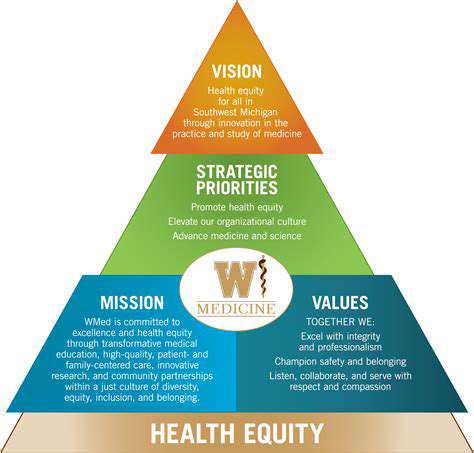
A Model for ProductivityAdopting a values-centric leadership approach aligns organizational goals with core company values, driving employee engagement and productivity. Research indicates enhanced employee retention and satisfaction in organizations that prioritize ethical values and practices. Measuring the Impact of Company Values on PerformanceCompany values impact organizational culture by guiding employee behavior and decision-making. According to studies, organizations with strong values see a 30% increase in engagement, leading to improved performance and lower turnover rates. Case Studies of Successful Organizations Companies like Google and Patagonia exemplify how strong values can drive success. Google promotes innovation through openness, while Patagonia's commitment to environmental responsibility strengthens employee loyalty and productivity. Challenges in Implementing Company ValuesImplementing company values is not without challenges, including inconsistencies between stated values and actual employee experiences. Leaders must embody these values genuinely to prevent disillusionment and maintain alignment with the company mission. The Role of Leadership in Reinforcing ValuesEffective leadership is pivotal in promoting company values. Leaders should model behavior that aligns with core principles and actively discuss values during team meetings, ensuring they are integral to the company culture. Future Trends in Company Values and PerformanceAs businesses evolve, the significance of company values is likely to increase. Organizations prioritizing diversity, equity, and inclusion are expected to enhance creativity and employee morale. Embracing sustainability as a core value will attract talent dedicated to societal concerns, redefining success metrics in corporate performance.For more insights on improving workplace culture through company values, explore our range of resources.

How to Reduce Overwork in Remote Teams

Transform Your Remote Work Experience with Effective StrategiesIn today's evolving work landscape, optimizing your remote work setup is essential for maximizing productivity, motivation, and job satisfaction. This comprehensive guide lays out effective strategies covering the creation of a structured daily routine, inspiring workspace design, goal-setting, fostering colleague connections, and prioritizing self-care. Create a Structured Daily RoutineStart each day by establishing clear, achievable goals using the SMART criteria—Specific, Measurable, Achievable, Relevant, and Time-bound. Identify three primary tasks aligned with your larger objectives to maintain focus and enhance productivity. Incorporating structured breaks, such as the Pomodoro Technique, will also refresh your mind and improve your work output. Design an Inspiring WorkspaceA well-designed workspace can significantly impact your productivity. Assess your current environment by evaluating lighting, ergonomics, and decor. Consider investing in ergonomic furniture, maximizing natural light, and introducing personal touches like artwork or plants. Creating designated zones for different tasks can further enhance focus and creativity. Set Clear Goals and PrioritiesDefining both short-term and long-term goals is crucial for maintaining direction in your remote work. Leverage digital planning tools to organize your tasks and track progress, while prioritizing high-impact activities to avoid feeling overwhelmed. Regularly reviewing these goals will keep them relevant and aligned with your evolving priorities. Foster Connections with ColleaguesBuilding connections in a remote setting is vital. Utilize virtual collaboration tools—like Slack and Zoom—to encourage communication and teamwork. Organize regular check-ins and informal interactions to strengthen team relationships. Recognizing achievements and providing professional development opportunities can also enhance morale and foster a culture of appreciation. Prioritize Self-Care and DowntimeSelf-care is critical in remote work environments. Establish routines that include physical activities and scheduled downtime to recharge your mental and physical energy. Techniques such as the Pomodoro Technique can help structure your work hours, allowing for essential breaks that boost productivity and creativity.Each of these strategies plays a significant role in transforming your remote work experience. By creating a structured daily routine, designing an inspiring workspace, and nurturing connections with colleagues while prioritizing self-care, you can achieve a balanced, productive work life. Embrace these changes today to enhance your effectiveness and well-being while working remotely.

Enhance Productivity in the WorkplaceIn today's fast-paced professional environment, effective task management is crucial for fostering productivity and reducing cognitive load. This comprehensive guide delves into practical strategies for prioritizing and organizing tasks, encouraging breaks, leveraging technology, promoting collaboration, and providing training resources. Prioritize and Organize TasksStart by assessing the importance of tasks using the Eisenhower Matrix. This tool helps categorize tasks into four quadrants based on urgency and importance, allowing you to identify high-value tasks to focus on. Create a daily task list categorized by priority, enabling you to manage workflows and reduce stress. Implementing time blocking further organizes your day by allocating specific periods for task completion, thereby enhancing focus and productivity. Encourage Breaks and DowntimeRegular breaks are essential for maintaining cognitive performance. Studies show that employees who alternate working periods with short breaks can boost their productivity significantly. Adopt techniques like the Pomodoro Technique—work focused tasks for 25 minutes followed by a 5-minute break—to refresh your mind and sustain energy levels throughout the day. Utilize Technology WiselyLeverage productivity tools such as Trello or Asana to manage tasks effectively. These applications streamline workflows and reduce cognitive load by helping visualize and organize tasks. Moreover, automation tools can handle repetitive tasks, allowing you to focus on more complex projects. Set clear objectives and utilize methods like the SMART criteria to define goals, reducing ambiguity and enhancing efficiency. Promote a Collaborative EnvironmentUnderstanding team dynamics and fostering open communication among team members can significantly enhance collaboration. Utilize collaborative tools to facilitate transparency and streamline meetings with structured agendas. Recognize and reward collaborative efforts to motivate teams and highlight the positive impacts of teamwork. Provide Training and ResourcesAssess employee training needs regularly to ensure relevance and engagement. Design creative training programs featuring interactive techniques like role-playing. Utilizing online resources such as e-learning platforms can cater to diverse learning preferences, making learning accessible and flexible. Establish mentorship programs to facilitate knowledge transfer and support employee development.By mastering these techniques, organizations can create a more productive and harmonious working environment. Emphasizing effective task management, encouraging breaks, leveraging technology, fostering collaboration, and providing essential training resources are vital steps in enhancing productivity while managing cognitive load effectively.

Effective Strategies for Managing Remote Employee PerformanceIn today's digital age, managing remote employee performance effectively is critical for organizational success. Here are five essential strategies to improve performance, foster engagement, and promote continuous growth in a remote work environment. 1. Set Clear Expectations and GoalsDefining Key Performance Indicators (KPIs) is crucial in performance management. Measurable values help employees understand key business objectives, leading to a 20% greater likelihood of achieving performance goals, as indicated by the Society for Human Resource Management. Actively involving employees in setting these indicators enhances commitment and accountability.Regular and clear communication is vital. Utilize video calls and project management tools for effective interaction, ensuring employees feel aligned and connected to team objectives. Frequent communication can increase productivity by up to 25%, so establish a routine for updates to maintain engagement. 2. Foster Open CommunicationCreate a culture of regular check-ins. Scheduling weekly virtual meetings allows teams to discuss ongoing projects and clarify goals. These interactions foster a trusting atmosphere and enhance relationships. Utilize various communication tools such as Slack and Zoom for effective collaboration and workflow improvement.Encourage informal interactions to enhance team cohesion. Virtual coffee breaks and team-building activities help reduce feelings of isolation while promoting camaraderie among remote workers. A supportive environment fosters high performance and job satisfaction. 3. Implement Performance Tracking ToolsUnderstanding performance metrics is essential for evaluating remote workers. Identify key productivity factors such as quality of work and adherence to deadlines. Studies show clearly defined metrics boost employee productivity by 15% or more.Selecting the right performance tracking tools, such as Trello or Asana, is critical. Involve your team in the decision-making process to ensure the tools meet their needs. Integrate tools into daily operations to foster a transparent and accountable work culture. 4. Emphasize Employee DevelopmentInvesting in continuous learning enhances employee satisfaction and retention. Research indicates that 94% of employees stay longer at companies that support career development. Create personalized growth plans and foster a culture of knowledge sharing through virtual sessions. Measuring the impact of these initiatives with KPIs can help refine approaches to employee development.Leverage technology to enhance learning experiences. Platforms like Learning Management Systems (LMS) and AI can personalize training, catering to diverse learning styles. 5. Recognize and Reward AchievementsImplement structured recognition programs to boost morale and productivity. Regular acknowledgment of employee achievements fosters a positive work environment. Organizations with effective recognition frameworks see a 31% reduction in turnover rates.Use a variety of recognition methods, including verbal praise, digital shout-outs, and non-monetary rewards. Collect employee feedback to ensure recognition practices are valued and impactful.Leadership's role is crucial in establishing a recognition culture. Leaders should recognize not only significant accomplishments but everyday efforts, transforming team dynamics and participation in recognition.In conclusion, mastering these strategies will not only improve remote employee performance but also cultivate a cohesive, motivated workforce. Continuous evaluation and adaptability will keep your organization thriving in the evolving landscape of remote work.

Enhance Workplace Productivity with Effective Communication ChannelsIn today’s remote-first work environment, establishing clear communication channels is paramount for fostering collaboration and maintaining productivity. A diverse range of communication tools, such as email, instant messaging, and video conferencing platforms, can cater to the unique needs of individual team members. Tools like Slack and Microsoft Teams facilitate real-time interaction, while Asana and Trello organize project tracking, critical for staying aligned irrespective of team members’ locations. Regular Check-Ins Foster CommunicationImplementing regular check-ins enhances team dynamics by encouraging open dialogue. Scheduling one-on-one meetings allows members to share updates and voice concerns, building a supportive atmosphere. These informal interactions serve not only to assess work progress but also to strengthen team cohesion, thereby enhancing overall productivity. Clear Guidelines for CommunicationDefining clear guidelines for communication reduces confusion and delays in a remote workspace. Documenting protocols regarding response times and escalation methods ensures team members are aligned, minimizing the likelihood of misunderstandings. When expectations are clear, employees can focus on their tasks, leading to improved effectiveness. Encourage Feedback and Open DialogueCreating a culture of feedback and open dialogue is essential for a vibrant workplace. Encouraging employees to share thoughts on communication effectiveness can reveal opportunities for enhancement. Tools such as anonymous surveys or suggestion boxes cultivate transparency and make team members feel valued, driving engagement and morale. Training for Effective Communication SkillsInvesting in training programs that emphasize effective communication skills like emotional intelligence and active listening is crucial. Workshops and role-playing exercises can empower employees, enabling them to communicate confidently and collaborate effectively in a remote environment. Leverage Project Management ToolsChoosing the right project management tools is a pivotal step in boosting productivity. Platforms like Trello and Asana help in task assignment and progress tracking, while features such as integrated messaging systems within these tools enable seamless collaboration. Establishing task priorities and clear timelines further enhances accountability and focus within the team. Flexible Work Hours for Better Work-Life BalanceFlexible work hours play a significant role in enhancing productivity by allowing employees to work during their peak efficiency times. This level of autonomy not only improves output but also fosters a better work-life balance. Companies that implement flexible hours benefit from higher employee satisfaction, resulting in lower stress levels and increased engagement. Focus on Employee Well-BeingA supportive work environment is essential for promoting employee well-being. Investing in mental health resources and conducting regular check-ins can help managers identify and address employee challenges proactively. By creating an atmosphere of trust and support, organizations can enhance collaboration and productivity in a remote setting. Continuous Feedback and RecognitionEncouraging real-time feedback mechanisms can significantly improve team productivity. Establishing recognition programs tailored for remote workers fosters a culture of appreciation that can boost morale and performance. Utilizing data-driven insights to track productivity and engagement helps in identifying areas for improvement, driving higher levels of performance.In conclusion, enhancing workplace productivity in a remote-first environment requires implementing effective communication strategies, utilizing the right tools, and fostering a culture centered around employee well-being and continuous improvement. By prioritizing these elements, organizations can achieve significant gains in productivity and employee satisfaction.

Strategies for SuccessIn today's interconnected global landscape, bridging the time gap poses unique challenges for remote teams. This comprehensive guide outlines effective strategies to enhance collaboration across different time zones, emphasizing the importance of technology, communication protocols, flexibility, regular check-ins, and transparent documentation. Embrace TechnologyUtilizing collaborative tools like Slack or Microsoft Teams is crucial for keeping teams connected. These platforms facilitate real-time communication and file sharing, improving productivity by up to 25% according to a McKinsey study. Additionally, scheduling tools such as World Time Buddy help streamline logistics when it's time to meet, allowing for optimal scheduling across time zones. Establish Clear Communication ProtocolsDefining communication tools and setting response time expectations are vital for efficient collaboration. Whether using synchronous methods like video calls or asynchronous channels like email, clarity around communication helps avoid misunderstandings. Regular check-ins foster accountability and enhance team cohesion, especially when rotating meeting times to accommodate all members. Foster FlexibilityCreating a flexible work environment can enhance employee engagement by 20%, facilitating smoother communication. Teams should implement flexible schedules allowing members to work during their peak productivity hours while also incorporating core overlap hours for meetings. Schedule Regular Check-InsEstablishing a communication cadence with specific days and times for check-ins will strengthen team bonds and keep everyone aligned on project progress. Utilizing collaborative tools for updates can ensure that all members stay informed, regardless of their availability during live discussions. Emphasize Documentation and TransparencyRobust documentation is essential for remote teams sprawled across different time zones. It provides a reference point that ensures clarity and accountability among team members. Prioritizing project plans, meeting notes, and process guidelines enhances transparency and reduces miscommunication. Engaging teams through collaborative platforms for real-time documentation updates ensures everyone remains on the same page. Continuous ImprovementEncouraging feedback on communication practices and documentation processes empowers team members and fosters a culture of collaboration. Regular reviews and updates to communication strategies are necessary to adapt to evolving team dynamics and project needs.In conclusion, by leveraging technology, establishing clear protocols, fostering flexibility, conducting regular check-ins, and emphasizing documentation, organizations can significantly enhance collaboration across time zones. Implement these strategies to create a more connected and productive remote work environment today.

Transforming Collaboration and Productivity in the Modern WorkplaceIn today's digital age, the landscape of workplace collaboration has evolved dramatically, thanks primarily to technological advancements. Teams around the world utilize innovative tools and platforms to enhance communication, streamline workflows, and boost overall productivity. Key Technological Tools for Enhanced CommunicationTools such as Slack and Microsoft Teams have revolutionized how teams interact, allowing seamless sharing of ideas regardless of geographical constraints. A recent survey by Buffer reveals that effective communication tools can increase remote worker productivity by 28% compared to traditional office environments. Furthermore, video conferencing platforms like Zoom and Google Meet not only facilitate real-time communication but also enhance engagement, leading to more productive brainstorming and decision-making sessions. Data-Driven Insights for Strategic Decision-MakingThe integration of data analytics platforms like Tableau and Power BI has empowered businesses by providing valuable insights that drive informed decisions. Companies leveraging these tools have reported up to a 20% increase in productivity, showcasing the power of data analytics in identifying trends and optimizing operations. By adopting a data-informed approach, organizations can reduce risks and improve efficiency significantly. Embracing Remote Work CultureThe pandemic has fundamentally reshaped workplace norms, accelerating the shift toward remote work. Organizations like Twitter and Shopify are leading the way, adopting permanent remote work policies that reflect a growing acceptance of flexible work arrangements. This cultural shift demands new strategies for team management and collaboration, where building trust and maintaining engagement become paramount, regardless of physical distance. Future Innovations Shaping Collaborative TechnologiesLooking ahead, emerging technologies such as artificial intelligence (AI) and machine learning are poised to transform collaboration further. AI-driven tools can automate routine tasks, allowing employees to focus on more strategic initiatives. Moreover, intelligent project management solutions leverage AI to predict timelines and streamline workflows effectively. Organizations implementing these technologies report up to a 30% increase in productivity, indicating a significant competitive advantage. The Rise of Flexible Work CultureRecent research indicates over 70% of employees prefer hybrid or fully remote work environments, valuing the work-life balance they provide. Flexible work arrangements not only enhance job satisfaction but also promote productivity, as employees can tailor their schedules and work during their most effective hours. However, companies must navigate the challenges of ensuring effective communication and maintaining team cohesion in this new era of flexibility. Future-Proofing Productivity To stay competitive, organizations must adapt to the evolving landscape of work by investing in employee training, utilizing data analytics for informed decision-making, and fostering a culture of innovation. By embracing the flexibility of hybrid work models and leveraging advanced technologies, companies can cultivate an engaged, productive workforce ready to tackle future challenges.In conclusion, the ongoing transformation of workplace dynamics underscores the critical importance of technology in enhancing collaboration and productivity. Companies that embrace these changes will not only attract top talent but also cultivate a more resilient workforce prepared for the demands of a digital world.