Creating High Impact Communication Practices
Jan 13, 2026 / zsfcdn103/
Catalog
Active listening enhances communication and reduces misunderstandings.
Being engaged during conversations fosters trust and collaboration.
Transparency increases employee satisfaction and reduces misinformation.
Tailoring communication to the audience improves engagement and effectiveness.
Data analytics can personalize communication strategies and enhance audience connection.
Interactive technologies boost audience participation and engagement.
Constructive feedback fosters a positive work environment and improves performance.
Creating a feedback-friendly culture enhances open communication and trust.
1. Prioritizing Active Listening
Understanding the Foundations of Active Listening
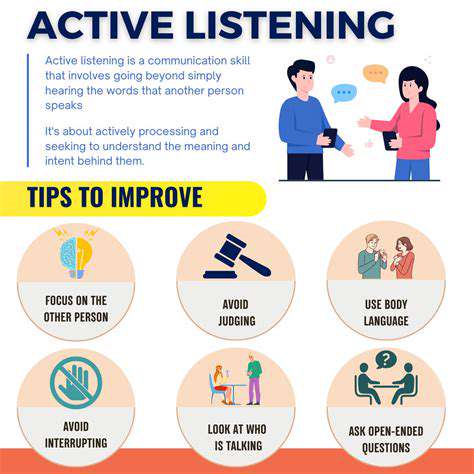
Active listening is a crucial component of effective communication. It involves fully concentrating, understanding, responding, and remembering what the other person is saying. Research shows that most people retain only about 25% of what they hear, which highlights the importance of being genuinely engaged during conversations. This means not just hearing the words but also grasping the nuances of what’s being communicated.
Some key elements of active listening include giving your full attention, making eye contact, and using verbal and non-verbal cues to show understanding. By doing this, you create an environment where the speaker feels valued and acknowledged, which can lead to more open and honest communication. In professional settings, implementing these practices can lead to reduced misunderstandings and enhance team performance.
- Active listening fosters a sense of trust and safety between communicators.
- It encourages speakers to articulate their ideas more clearly.
- Practicing active listening can improve your influence and negotiation skills.
Implementing Active Listening Techniques in Daily Interactions
To effectively implement active listening, it’s helpful to adopt specific techniques. One prominent method is to use open-ended questions. These prompts encourage the speaker to elaborate, providing deeper insights into their thoughts. For instance, instead of asking, “Did you like the presentation?” try asking, “What aspects of the presentation resonated with you the most?” This not only generates richer dialogue but also demonstrates your genuine interest.
Another technique is summarizing what the speaker has conveyed. By paraphrasing their key points, you show that you are paying attention and value their perspectives. This feedback loop promotes clarity and often encourages the speaker to share more. Remember, the goal is to build a connection that leads to impactful conversations, Fostering collaboration and problem-solving among team members.
2. Embracing Transparency and Openness
Understanding the Core Principles of Transparency
At its foundation, Transparency in communication involves an open exchange of information, ensuring that all stakeholders have access to what they need to make informed decisions. A 2019 study from the Institute for Public Relations found that organizations prioritizing transparency witness a 30% increase in employee satisfaction and engagement. This indicates that the culture of openness not only fosters trust but also enhances overall morale within teams.
Moreover, transparency is not merely about sharing information but about Fostering a sense of accountability. Leaders should outline their values clearly and communicate how decisions align with these principles. This approach reduces ambiguity and helps team members feel more secure and connected to the organization’s mission. Effective communication strategies that incorporate transparency can significantly reduce misinformation and misunderstandings in the workplace.
Practical Strategies for Implementing Transparency
To successfully cultivate a transparent environment, organizations can adopt several actionable strategies. First, regular updates on company developments—be it financial performance, project progress, or changes in policy—can help keep everyone in the loop. Consider implementing monthly roundtable discussions or newsletters where leadership shares vital insights, which fosters an atmosphere of inclusivity.
Encouraging feedback is another cornerstone of transparency. Establishing anonymous channels where employees can voice their concerns offers a safe space for expression without fear of repercussions. This practice not only empowers employees but also signals that leadership values their input. A study from Gallup showed that organizations that encourage feedback experience significantly lower turnover rates.
Additionally, companies can benefit from setting clear expectations about communication norms. For instance, implementing a shared platform for documentation and updates ensures that everyone has access to the same information in real-time. Utilizing tools like Slack or Microsoft Teams can streamline these processes, ensuring no one is left out of the conversation.
Evaluating the Impact of Transparency on Communication
Evaluating effectiveness is essential to understanding how transparency affects organizational communication. One useful metric is the level of engagement in employee surveys. Compare responses before and after implementing transparency measures to gauge shifts in perception regarding communication practices. Feedback mechanisms provide valuable insight into areas that may need improvement.
Research conducted by the Harvard Business Review indicates that teams with high levels of trust and transparency perform more effectively and are better at problem-solving. This rational relationship means that fostering openness leads not just to a happier workforce but also to enhanced productivity and innovation. Managers should regularly assess how transparent practices are perceived and where gaps might exist to refine their methods further.
3. Tailoring Communication Styles
Understanding Audience Needs
Effective communication begins with a deep understanding of the target audience. Different audiences have varying preferences in styles, terminologies, and even the pace at which they absorb information. For instance, while a technical audience may appreciate in-depth analysis and jargon, a lay audience often prefers straightforward language accompanied by key concepts and examples. Conducting surveys or interviews can provide valuable insights into the specific needs of different groups, tailoring messages accordingly for maximum impact.
Research indicates that personalized communication strategies can significantly enhance engagement. According to a study by the Content Marketing Institute, 70% of consumers are more likely to engage with a brand that shows an understanding of their individual needs through targeted messaging. Thus, understanding the audience is not just about basic demographic data; it's about delving deeper into their preferences, pain points, and aspirations to craft messages that resonate.
Utilizing Adaptation Techniques
Adapting communication styles is not merely a matter of changing words; it requires a strategic approach to the nuances of interaction. Techniques such as mirroring relevant speech patterns or adjusting the complexity of language can foster a sense of connection. For example, using simpler language for a diverse audience can make complex ideas more accessible, while a more formal tone may be appropriate in a professional setting. This adaptability can significantly enhance the effectiveness of communication.
Training programs that focus on audience analysis and adaptive communication skills can foster greater awareness among professionals. Incorporating role-play scenarios or feedback sessions allows team members to practice these skills in real-time. A research study published in the Journal of Business Communication shows that training employees to adapt their communication style results in a 37% increase in workplace collaboration and productivity. Implementing such practices not only enhances personal interactions but can also lead to improved organizational outcomes.
4. Utilizing Technology to Enhance Engagement
Leveraging Data Analytics for More Personalized Communication
Data analytics is transforming how organizations engage with their audiences. By employing tools that analyze user behavior and preferences, companies can tailor their communication strategies to meet specific needs. For instance, research from McKinsey indicates that companies that excel in data-driven marketing see a 20% increase in sales. This underscores the importance of collecting and interpreting data effectively.
Moreover, segmentation is key to maximizing engagement. Rather than adopting a one-size-fits-all approach, businesses can use data to segment their audience based on various criteria such as demographics, interests, or past interactions. This targeted communication fosters a sense of relevance and connection with consumers, leading to improved conversion rates.
Integrating data analytics into communication strategies also allows for real-time adjustments. By continuously monitoring audience responses, organizations can pivot their messaging swiftly, ensuring that it remains relevant and engaging. This agility is essential in an era where consumer preferences can shift rapidly.
Implementing Interactive Technologies to Boost Audience Participation
Interactive technologies like live polls, quizzes, and virtual reality experiences can significantly enhance audience engagement. A study by HubSpot found that interactive content receives 2 times more engagement than passive content. This highlights the value of creating opportunities for audiences to participate actively in discussions.
Additionally, tools such as webinars and interactive video sessions provide platforms for real-time dialogue. These formats allow for immediate feedback, which can clarify misunderstandings and deepen the connection between the presenter and the audience. Incorporating interactive elements can make communication feel more dynamic and less formal.
Organizations should also consider utilizing gamification, a strategy that applies game design elements in non-game contexts. It can motivate participation and sustain interest over time. For example, loyalty programs that reward users for engagement not only incentivize participation but also foster brand loyalty, reflecting positively on the organization’s communication practices.
5. Encouraging Constructive Feedback
Understanding the Importance of Constructive Feedback
Constructive feedback is essential for fostering an environment where individuals feel valued and heard. This process not only enhances motivation but also leads to improved overall performance. Research indicates that when feedback is delivered effectively, employees are significantly more likely to feel engaged and committed to their work. Simply put, constructive feedback is a tool that encourages open communication and growth.
Moreover, it aids in reducing misunderstandings and conflicts within teams. By articulating specific, actionable feedback, team members can address issues head-on. This not only builds trust but also clarifies expectations, leading to a more harmonious workplace.
Strategies for Giving Effective Feedback
- Focus on specific behaviors rather than personal attributes.
- Use a balanced approach by highlighting both strengths and areas for improvement.
- Encourage a two-way conversation to promote understanding.
When delivering feedback, it's crucial to focus on particular behaviors instead of making generalized statements about the individual. For example, instead of saying, “You’re not good at teamwork,” you can phrase it as, “I noticed that during the last project, there were moments when team input wasn’t considered.” This shift can make a significant impact on how feedback is received. People are more receptive when they feel the feedback relates directly to their actions rather than their character.
Creating a Feedback-Friendly Environment
To encourage a culture of feedback, it's vital to Create a safe space where employees feel comfortable sharing their thoughts. This can be achieved by promoting open-door policies and regular check-ins that foster dialogue. Regular engagement signals to team members that their opinions matter, which can significantly contributor to their willingness to give and receive feedback.
Training sessions on effective communication techniques can also be beneficial. Offering workshops on how to provide feedback constructively not only equips individuals with the necessary skills but also demonstrates the organization's commitment to developing interpersonal communication. This investment in development is crucial for cultivating a positive feedback culture.
Measuring the Impact of Feedback Practices
It's essential to evaluate how feedback practices affect overall performance and morale. Tracking metrics such as employee engagement scores, productivity rates, and retention rates can provide insight into the effectiveness of feedback within the organization. For example, a recent study by Gallup revealed that organizations with effective feedback systems benefit from 14.9% higher productivity compared to their counterparts.
Furthermore, implementing regular feedback assessments allows organizations to continuously refine their communication practices. Surveys and anonymous feedback forms can capture employee sentiments regarding the feedback process. This data-driven approach not only highlights areas for improvement but also helps in validating the constructive feedback efforts already in place.