How Leaders Can Set Clear Expectations Remotely
Jan 09, 2026 / zsfcdn103/
Implementing SMART Goals in Remote Teams
When working with remote teams, the implementation of SMART goals can pose unique challenges. One of the most effective strategies is to utilize project management tools that allow for goal tracking and communication. Apps like Trello or Asana not only facilitate goal setting but also help maintain transparency among team members. This creates a sense of collaboration, an essential element when physical interactions are lacking.
Regular check-ins are another crucial step in the process of achieving these SMART goals. Scheduling weekly or bi-weekly meetings keeps everyone aligned and provides opportunities to discuss any obstacles. Leaders can leverage these sessions to celebrate small wins, reinforcing team morale and motivation across the board.
Finally, it is essential to encourage team members to self-assess their progress. Allowing them to reflect on their performance fosters a sense of ownership and accountability. When individuals feel responsible for their objectives, they are more likely to stay engaged and committed to meeting goals.
4. Schedule Regular Check-Ins and Feedback Sessions
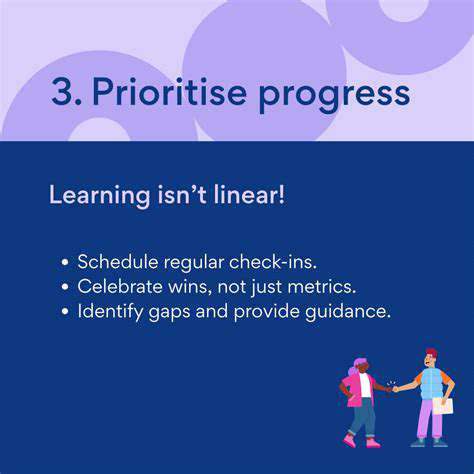
1. Importance of Structured Check-Ins
- Structured check-ins provide a clear framework for communication.
- They foster accountability among team members.
- Regular feedback sessions help identify issues before they escalate.
Implementing a system of structured check-ins is paramount for remote leaders. These meetings serve as a consistent touchpoint where team members can discuss their progress, challenges, and upcoming tasks. Regular interactions not only facilitate accountability but also promote alignment on projects and expectations. It's essential that these sessions are scheduled at regular intervals, such as weekly or bi-weekly, to ensure they become a routine part of team dynamics.
Research has shown that organizations that maintain regular check-ins witness a 25% increase in employee engagement. This type of engagement is crucial in a remote setting where team members can often feel isolated. Through consistent feedback and communication, leaders can foster an inclusive atmosphere where everyone feels valued and heard.
2. Techniques for Effective Feedback
The effectiveness of feedback sessions hinges on how constructive and actionable the feedback is. Leaders should focus on providing clear examples and specific suggestions for improvement. This clarity allows team members to feel guided rather than criticized. For instance, instead of saying you need to do better, a leader might say, if you manage your time better and prioritize tasks, you'll see a significant improvement.
Additionally, incorporating a 360-degree feedback approach can enhance these sessions. This involves gathering input from various levels within the organization, not just from direct supervisors. By doing so, employees receive a more holistic understanding of their performance and areas for improvement. This technique not only equips leaders with a more comprehensive view but also builds trust within the team.
3. Balancing Praise and Constructive Criticism
Finding the right balance between recognition and constructive criticism is essential for effective communication. Praise can be a powerful motivator and should be included during feedback sessions. By highlighting what a team member has done well, leaders can encourage continued success and boost morale. For instance, acknowledging a project's successful completion or celebrating team achievements reinforces positive behaviors.
On the other hand, constructive criticism shouldn't be overlooked. It is crucial for personal and professional growth. Leaders must approach this with sensitivity, framing feedback in a way that focuses on behaviors rather than personal attributes. Team members are more receptive when criticism is delivered with an understanding tone, enhancing the overall team dynamic and fostering a culture of growth.
5. Leverage Technology for Transparency and Accountability
Understanding the Role of Technology in Remote Work
In the modern workplace, technology serves as a cornerstone for effective communication and project management. Tools such as Slack, Microsoft Teams, and Asana facilitate real-time discussions, enabling teams to engage in timely decision-making and collaboration. Research shows that companies that adopt such tools report increased productivity by up to 30% compared to those who rely on traditional communication methods.
Moreover, Technology enhances transparency, giving team members access to project statuses, deadlines, and responsibilities. This visibility can lead to more accountability, as individuals are aware of their contributions and deadlines. Leaders harnessing this technology can set clear expectations, ensuring everyone is aligned with the organization's objectives.
Utilizing Data Analytics for Clarity
Data analytics can be a powerful ally in establishing transparency within remote teams. By leveraging metrics and analytics tools, leaders can monitor key performance indicators (KPIs) relevant to project milestones. A recent study from McKinsey & Company found that organizations using data-driven strategies are 23 times more likely to acquire customers, 6 times as likely to retain customers, and 19 times more profitable than their peers.
Choosing the Right Tools for Communication
Not all communication tools are created equal, and selecting the right fit is paramount for fostering clarity among remote teams. A recent survey highlighted that about 57% of remote employees feel disconnected from their teams due to inadequate communication tools. It is crucial for leaders to evaluate their team's specific needs and choose platforms that enhance interaction rather than hinder it.
When considering communication tools, prioritize those that facilitate not just messaging, but also video conferencing and file sharing. Comprehensive platforms, like Zoom combined with Google Workspace, can streamline information exchange, promote active participation, and create an environment where expectations are clearly articulated and understood.
Implementing Project Management Software
Project management software plays a crucial role in maintaining transparency and accountability within remote teams. Solutions such as Trello, Jira, or Monday.com allow teams to visualize their workflows, assign tasks, and set deadlines, making responsibilities explicit. This clarity helps in tracking progress and identifying bottlenecks early, which can ultimately translate into increased efficiency.
Encouraging Regular Check-Ins
To maintain a high level of accountability, setting up regular check-ins is vital. Scheduling weekly or bi-weekly meetings allows team members to discuss progress, address challenges, and recalibrate expectations as needed. This practice not only reinforces accountability but also fosters a culture of open dialogue, where employees feel more connected to their leaders and peers.
Moreover, these sessions provide leaders with critical insights into team dynamics and individual performance. Instead of waiting for annual reviews, regular touchpoints enable timely feedback and recognition, boosting morale and motivation among remote workers.
Utilizing tools like virtual whiteboards during these check-ins can encourage participation and visualization of ideas, making discussions richer and more productive.
Ensuring Data Security and Privacy
In an age where data breaches are increasingly common, ensuring the security and privacy of communication channels is non-negotiable. Leaders must select technologies that comply with the latest cybersecurity standards, protecting sensitive employee and organizational data. According to a recent report from IBM, the average cost of a data breach is $4.24 million, underscoring the importance of robust security measures in tech adoption.
Educating team members about best practices in data handling while utilizing these tools can further bolster security. Providing training sessions on recognizing phishing attempts or managing passwords effectively can empower your workforce and build trust in technology-driven communication frameworks.