Productivity Lessons From Remote Work Experiments
Jan 11, 2026 / zsfcdn103/
Outline
Flexibility increases productivity by empowering employees to choose work hours.
Remote workers report fewer distractions, enhancing focus and efficiency.
Asynchronous communication offers a 20% efficiency improvement.
Result-based metrics improve productivity in flexible work environments.
Investing in technology boosts communication and collaboration in remote settings.
Work-life balance is essential for employee satisfaction and performance.
Employers should support work-life balance to enhance engagement and retention.
Measuring work-life balance effectiveness helps refine strategies for employee well-being.
1. Flexibility Leads to Higher Output
1. Understanding Flexibility in the Workplace
Flexibility in the workplace is critical to enhancing productivity. A study conducted by Stanford University found that remote workers have reported a median productivity increase of 13%, attributed largely to their control over work hours and environment. This data suggests that when employees can choose how and where they work, they tend to perform better. Flexibility allows for adjustments in work patterns and breaks, making it easier to maintain focus and efficiency throughout the day.
Furthermore, flexibility can mitigate the stress and burnout often associated with rigid work schedules. By accommodating personal needs, employees can balance their professional and personal responsibilities, leading to a more sustainable work-life integration. This level of accommodation is often reflected in increased morale and commitment to the organization, which further enhances output.
2. The Impact of Remote Work on Employee Performance
A comprehensive survey of remote work trends revealed that 77% of remote workers identify fewer distractions at home compared to traditional office environments. The ability to create a personalized, distraction-free work-space fosters deep concentration, allowing employees to complete tasks more efficiently. In contrast to the usual office interruptions, such as spontaneous meetings and constant background noise, remote working can empower workers to focus better on their assignments.
Moreover, the trend toward remote work has shown that employees are likely to put in extra effort when they feel trusted to manage their time. As per a report from Buffer, 98% of respondents expressed a desire to work remotely at least part-time. This intrinsic motivation is a key driver of performance, as workers tend to invest more in outcomes when they have autonomy over their schedules.
In analyzing productivity metrics, companies that adopted flexible remote work options have frequently observed a decrease in employee turnover rates. Retaining skilled workers is essential for maintaining a high output and consistent quality of work, which is an added advantage of adopting flexibility in work arrangements.
3. Benefits of Asynchronous Communication
The shift to remote work has made asynchronous communication a vital component of operational efficiency. Unlike synchronous communication, which requires all participants to engage simultaneously, asynchronous methods allow for flexibility in responses. For instance, tools such as Slack or Microsoft Teams empower team members to communicate on their schedules without compromising productivity. This strategy helps in accommodating different time zones and work habits within diverse teams.
Research indicates that teams utilizing asynchronous communication can achieve a 20% increase in efficiency, as they spend less time in unproductive meetings. Asynchronous communication also encourages thoughtful responses rather than impulsive remarks, leading to higher quality in project discussions and decision-making processes.
To optimize the benefits of asynchronous communication, organizations should establish clear guidelines that promote accountability while still respecting individual schedules. This approach aligns with flexibility principles, enabling employees to balance their workload without compromising on responsiveness.
4. Measuring Output in Flexible Work Environments
When transitioning to flexible work environments, it’s crucial for organizations to adopt new metrics for measuring productivity. Traditional methods focused on hours worked may not accurately reflect the true output in remote settings. Instead, results-oriented metrics that focus on key performance indicators (KPIs) allow for a more nuanced understanding of employee effectiveness. For instance, tracking project completion rates and quality of work can provide a clearer picture of productivity levels.
Data gathered from the McKinsey Global Institute shows that organizations prioritizing result-based evaluations experience productivity improvements by 20-25%. By monitoring performance through results rather than hours clocked in, teams can maintain motivation and align efforts towards shared goals more effectively.
5. Implementing Flexibility in Your Organization
Introducing flexibility requires a strategic approach to ensure that employees receive the support they need. Organizations should consider piloting flexible work policies to gauge their impact and gather feedback. This not only allows for adjustments but also signals to employees that their opinions matter in shaping company culture. Successful companies often find that building a culture around flexibility and trust leads to higher employee satisfaction, retention, and output.
Furthermore, management should provide training for employees on effective remote work strategies. Topics may include time management, effective communication practices, and self-care approaches to mitigate the potential isolation felt by remote workers. Organizations that invest in these resources reinforce their commitment to employee welfare, which ultimately translates into improved performance across the board.
2. The Importance of Structured Communication

Understanding Structured Communication
- Structured communication promotes clarity in remote settings.
- It reduces misunderstandings and improves team collaboration.
- Effective tools enhance structured communication efforts.
Structured communication is essential in any work environment, but it becomes increasingly critical in remote work scenarios. In a study by the Project Management Institute, teams that implemented structured communication methods reported a 25% increase in project clarity and efficiency. By establishing clear channels and protocols for information sharing, remote teams can minimize confusion and streamline their processes.
Moreover, structured communication helps in managing expectations and reducing anxiety among team members. When everyone knows the proper way to convey their thoughts and feedback, it fosters a more open and collaborative atmosphere.
Types of Structured Communication
Structured communication can take various forms depending on the tools and methods employed. Common types include email updates, scheduled video calls, and collaborative platforms like Slack or Microsoft Teams. Each of these formats serves distinct purposes while contributing to overall clarity.
For instance, regular email updates help keep everyone on the same page regarding project milestones. In contrast, team video calls can encourage real-time discussion and brainstorming, enabling swift decision-making. By varying communication methods, teams can address different needs and preferences within their members.
The Role of Technology in Enhancing Communication
Utilizing technology effectively is crucial for structured communication in remote environments. Tools like Asana and Trello allow teams to assign tasks, set deadlines, and track progress. The visual nature of these platforms ensures that everyone understands their responsibilities, which is invaluable when team members are spread across various locations.
Furthermore, video conferencing tools, such as Zoom or Google Meet, play a pivotal role in fostering interpersonal connections. Regular face-to-face interactions help maintain team dynamics, countering the isolation often felt in remote work. According to Stanford research, virtual teams that regularly engage through video calls report higher levels of trust and collaboration.
Challenges of Implementing Structured Communication
While structured communication offers numerous benefits, implementing it in a remote setting is not without challenges. One significant hurdle is ensuring that all team members are on board and using the same tools efficiently. Discrepancies in technology adaptation can lead to gaps in communication and project alignment.
In addition, the frequency of updates and meetings can sometimes feel overwhelming, leading to fatigue. Employees may feel bombarded by messages, hindering their productivity. To mitigate these issues, it's essential to balance communication frequency with individual workloads, ensuring it remains constructive rather than disruptive.
Best Practices for Structured Communication
Establishing best practices is vital for successful structured communication. First, set defined communication protocols that dictate when and how team members should interact. For example, consider implementing a 'no contact' hour to allow focused work time without interruptions.
Furthermore, encourage team members to each take responsibility for maintaining communication standards. When accountability is shared, it fosters a proactive approach to engagement. Utilizing feedback loops can significantly enhance these practices, allowing the team to continuously adapt and improve their communication strategies.
Measuring the Impact of Structured Communication
Measuring the effectiveness of structured communication is essential in understanding its influence on productivity. Utilizing metrics, such as project completion rates and team satisfaction surveys, can provide insights into communication effectiveness. Regularly analyzing these metrics helps teams identify which methods yield the best results.
Additionally, qualitative feedback from team members can offer valuable perspectives on how structured communication influences their work experience. Conducting routine assessments not only improves the process but also demonstrates commitment to continuous enhancement among team members.
3. Emphasizing Results Over Hours Worked
The Shift in Workforce Dynamics
As organizations increasingly embrace remote work, the Traditional Notions of Productivity are evolving. Rather than tracking hours spent at a desk, companies are now assessing output and the quality of work delivered. This transformation stems from the realization that more hours do not equate to higher productivity, as numerous studies, such as those conducted by Stanford University, indicate that employee productivity peaks after about 50 hours of work per week and declines sharply beyond this threshold.
Employees now have greater autonomy and accountability over their work, which can lead to improved job satisfaction. This change not only bolsters employee morale but ultimately drives better results for businesses. According to a report by Gallup, organizations that prioritize employee engagement see a 21% increase in profitability, underscoring the importance of emphasizing results over hours. By focusing on output, employers foster an environment conducive to creativity and innovation.
Setting Clear Expectations
To effectively shift the focus from hours worked to results achieved, it is essential for organizations to set clear expectations. This includes defining specific, measurable goals that align with the company's objectives. Utilizing performance metrics such as Key Performance Indicators (KPIs) ensures that employees understand what is required of them without the need for micromanagement. A survey by the Society for Human Resource Management found that employees perform better and feel more engaged when they are aware of their performance standards.
Moreover, regular feedback mechanisms, such as weekly check-ins or monthly performance reviews, help keep employees informed of their progress and any necessary adjustments necessary to meet targets. This two-way communication builds trust and empowers workers to take ownership of their responsibilities within the framework of a results-oriented culture.
Embracing Flexibility in Work Patterns
Remote work has introduced a level of flexibility that can significantly impact productivity. Organizations can allow employees to work during their peak hours of efficiency, whether that means early in the morning or late in the evening. Flexibility also contributes to better Work-life balance, which studies have shown can lead to lower stress levels and decreased burnout rates. Research from Buffer highlights that 27% of remote workers cite a flexible schedule as one of the top benefits of remote work.
This flexibility not only affords employees the chance to work when they are most productive but also enables them to manage personal responsibilities more effectively. For instance, a parent might choose to work late at night after the kids have gone to bed, rather than cramming all their work into a traditional nine-to-five schedule. Therefore, companies that adopt a results-oriented mentality rather than a rigid adherence to work hours can facilitate a more engaged and efficient workforce.
4. Investing in Technology and Tools
Understanding the Role of Technology in Remote Work
Technology plays a pivotal role in enhancing productivity in remote work environments. The right tools provide teams with the means to collaborate efficiently, manage tasks, and communicate effectively. For instance, platforms like Slack and Microsoft Teams have revolutionized how teams interact, reducing email overload while facilitating instant communication.
Furthermore, advanced project management tools such as Asana and Trello help individuals and teams keep track of their work. These platforms enable clarity on deadlines, prioritization of tasks, and visual progress tracking, which are all essential for maintaining momentum in remote settings.
Investment in Communication Tools
Communication tools are essential when working remotely. Investing in reliable communication software can significantly reduce misunderstandings and foster a collaborative environment. Video conferencing platforms like Zoom and Google Meet offer face-to-face interaction, which is often missing in remote settings, thus enhancing engagement.
Moreover, incorporating features such as screen sharing and recorded meetings can further improve information retention and availability. Companies that dedicate resources towards these technologies often witness better teamwork and faster decision-making processes.
Research indicates that organizations that prioritize effective communication report higher employee satisfaction, leading to improved retention rates.
Leveraging Cloud Computing Solutions
Cloud computing technology has transformed remote work by providing accessible, scalable, and cost-effective solutions for data storage and software access. Tools like Google Drive and Dropbox offer teams the flexibility to access documents from anywhere, thereby eliminating the barriers tied to physical workspaces.
This technology also supports real-time collaboration, allowing multiple users to edit documents simultaneously and view changes in real time. Businesses that invest in cloud solutions often see significant productivity improvements due to the ease of accessing information and collaborating seamlessly across time zones.
Automation Tools to Streamline Processes
Automation technology is another vital area where investment can lead to significant efficiency gains. Tools such as Zapier and IFTTT allow businesses to automate repetitive tasks, such as data entry, email responses, and social media posts. By eliminating these mundane tasks, employees can focus on higher-value work that drives business growth.
Additionally, automation can reduce human error in processes, enhancing the accuracy and reliability of output. Organizations that successfully implement these technologies report a more engaged workforce and considerable savings in time and costs.
Cybersecurity Investments for Remote Work Security
With the rise in remote work, cybersecurity has become a paramount concern for organizations. Investing in security tools to protect sensitive information is critical. Solutions such as VPNs, firewalls, and endpoint protection software are essential for securing remote access to company systems.
According to a 2021 study by Cybersecurity Ventures, cybercrime is projected to cost the world $10.5 trillion annually by 2025. Effective cybersecurity measures not only safeguard sensitive data but also build trust with clients and stakeholders, directly impacting organizational reputation.
Training Employees to Utilize New Technology
It's not enough to simply invest in technology; organizations must also prioritize training their employees to use these tools effectively. Offering regular workshops and online training sessions can help employees maximize the benefits of the technology at their disposal. For example, training on new software features can lead to better utilization and efficiency.
Companies that continuously provide education around technology often see improved employee confidence and competence, leading to a more productive workforce. Empowering employees with knowledge is key to fully leveraging investments in technology.
Evaluating the ROI of Technology Investments
Finally, measuring the return on investment (ROI) for new technology is essential for understanding its effectiveness. Organizations should establish clear metrics before implementing any new tools, such as productivity levels, employee engagement, and cost savings.
Conducting periodic assessments post-implementation allows businesses to determine whether their investments are yielding the expected benefits. Detailed analytics can also inform future technology decisions, ensuring that resources are allocated efficiently and aligned with the organization's strategic goals.
5. The Role of Work-Life Balance
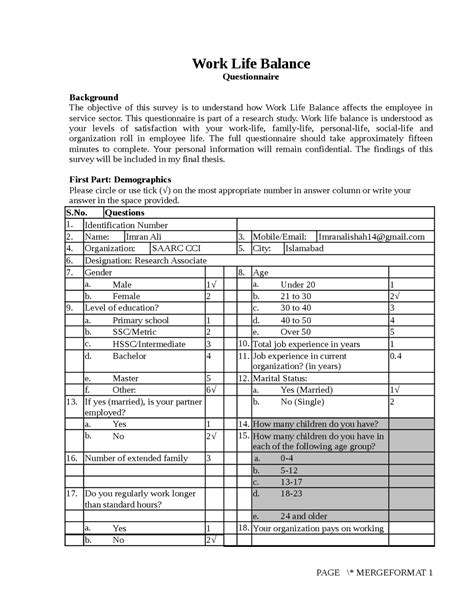
Understanding Work-Life Balance
- Work-life balance is not just a buzzword; it's a crucial component of productivity.
- Striking the right balance can lead to lower stress levels and higher job satisfaction.
- A healthy work-life balance can boost overall organizational performance.
Work-life balance refers to the equilibrium between work responsibilities and personal life. Achieving this balance is essential, as it directly influences both mental health and job productivity. Studies indicate that employees with a well-managed work-life balance experience fewer instances of burnout, contributing positively to their overall effectiveness at work.
Moreover, the concept of work-life balance extends beyond just flexible working hours. It encompasses employer initiatives that promote well-being, such as mental health days, wellness programs, and telecommuting options. When organizations recognize the importance of Employee well-being, they often witness improved morale and increased engagement.
The Impact of Remote Work on Work-Life Balance
Remote work presents unique opportunities and challenges for work-life balance. On one hand, removing commutes allows for more personal time; on the other hand, the lines between professional and personal life can blur easily. This duality highlights the need to set clear boundaries to ensure effective time management and productivity.
Remote workers who define specific work hours and personal times tend to maintain better balance. Effective use of scheduling apps and task management tools can aid in creating structured workdays. By integrating dedicated breaks and downtime into their routines, remote employees can enhance both their job performance and personal satisfaction.
The Role of Employers in Supporting Balance
Employers play a significant role in cultivating a culture that values work-life balance. Companies that incentivize employees to take breaks, use vacation days, and participate in wellness programs see marked improvements in employee satisfaction. Strong leadership often leads to higher retention rates as employees feel valued and engaged.
Additionally, clear communication regarding workload and expectations can help avoid overburdening employees. A company that prioritizes mental well-being creates an environment where employees feel empowered to achieve personal goals alongside their professional duties. This strategic support is crucial in remote settings where isolation can pose challenges.
Measuring Work-Life Balance Effectiveness
Measuring the effectiveness of work-life balance initiatives can help organizations fine-tune their approach. Surveys and feedback tools can provide valuable insights into employee satisfaction and areas needing improvement. Metrics like employee turnover, absenteeism rates, and productivity can indicate where work-life balance strategies are succeeding or faltering.
Furthermore, performance reviews that consider an employee's overall well-being rather than just project output can foster a more inclusive workplace. Recognizing achievements in both personal and professional spheres encourages workers to strive for balance, ultimately benefiting the organization as a whole.
Challenges to Achieving Work-Life Balance
While the benefits of work-life balance are evident, challenges remain prevalent in modern work cultures. Time management issues, unrealistic deadlines, and constant connectivity can create significant barriers. Many employees find it difficult to disconnect from their work, especially when home environments transform into workplaces.
Additionally, employees may feel pressured to show constant availability, leading to feelings of guilt when taking time off. It’s important for organizations to address these issues by fostering a workspace culture that respects personal time and encourages authenticity in communication regarding workload stress.
Best Practices for Employees
Employees can adopt several best practices to manage their work-life balance effectively. Setting clear boundaries around work hours is essential; for instance, turning off work notifications after business hours can help delineate personal time. Regularly scheduled breaks during the workday can enhance focus and prevent burnout as well.
Creating a dedicated workspace at home can also assist in maintaining a professional mindset while working remotely. Staying organized with to-do lists and priorities can streamline tasks, making it easier to balance commitments. Furthermore, engaging in regular physical activity or hobbies can greatly enhance well-being and keep stress at bay.
Future Trends in Work-Life Balance
As work environments continue to evolve, so too will the concept of work-life balance. Technological advancements and ongoing changes in employee expectations are likely to reshape how organizations manage work-life integration. Flexible work hours, remote work options, and an emphasis on mental health resources may become standard practice in many industries.
Furthermore, as society shifts towards valuing personal well-being more significantly, businesses will need to adapt their policies to attract and retain top talent. Integrating work-life balance programs that are tailored to meet diverse employee needs will be essential for future organizational success.