How to Improve Workplace Productivity Through Culture
Jan 09, 2026 / zsfcdn103/
List of Contents
Open communication fosters safety and enhances productivity in teams.
Encouraging open dialogue improves employee engagement and retention rates.
Regular feedback sessions and anonymous suggestions empower candid input.
Training programs enhance communication skills and workplace cohesion.
Creating a feedback-friendly culture encourages constructive criticism and growth.
Addressing communication barriers promotes honesty and strengthens team dynamics.
Measuring communication success improves workplace culture and strategies.
Employee well-being includes mental, emotional, and physical health aspects.
Supportive cultures enhance well-being and foster employee engagement.
Flexible work arrangements boost employee satisfaction and loyalty.
Investing in mental health resources supports overall workplace wellness.
Professional development opportunities increase employee motivation and satisfaction.
Regular feedback fosters trust and involvement in company culture.
Recognition improves engagement and reduces employee turnover rates.
Types of recognition include informal praise and formal acknowledgment programs.
Effective recognition systems align employee efforts with company goals.
Measuring recognition impact drives continuous improvement in workplace culture.
Ongoing training promotes recognition practices for a positive work environment.
Collaboration boosts productivity and innovative problem-solving in teams.
Leveraging technology enhances communication and supports effective teamwork.
Constructive feedback strengthens team relationships and boosts performance.
Team bonding activities build trust and enhance collaboration among employees.
Clearly defined roles improve teamwork and overall productivity.
Celebrating team achievements fosters morale and a collaborative spirit.
Creating an Open Communication Environment

Understanding the Importance of Open Communication
To foster an environment where open communication thrives, it's crucial to understand what it entails. Open communication is not just about free speech; it's about creating a culture where employees feel safe sharing their ideas and concerns. According to a study by the Harvard Business Review, teams with open communication report a 25% increase in productivity. This statistic underscores the significant impact effective communication has on team dynamics and overall workplace success.
Furthermore, organizations that prioritize open communication experience higher employee retention rates. Employees remain engaged when they feel their voices are heard. This is especially important in today's competitive landscape, where talent retention is key. By ensuring transparency, leaders can build trust and loyalty among their team members.
Strategies for Encouraging Open Dialogue
- Implement regular feedback sessions.
- Utilize anonymous suggestion boxes for candid input.
- Encourage team-building activities that facilitate honest discussions.
- Promote an open-door policy to ensure accessibility of management.
Encouraging open dialogue can be achieved through various strategies. Regular feedback sessions allow employees to express their thoughts openly, creating an avenue for constructive criticism and praise. Anonymous suggestion boxes also serve as an effective tool for gathering honest feedback, especially from those who may feel hesitant to speak up in person. This approach empowers workers to share their opinions without fear of repercussions.
Incorporating team-building activities is another effective method to bolster communication. By participating in exercises that require collaboration, employees naturally engage in discussions that strengthen their interpersonal relationships. This lays the foundation for a culture of open communication.
Training and Development Programs
For organizations looking to enhance open communication, investing in training and development is essential. These programs should focus on Effective communication techniques, active listening, and conflict resolution. Not only do they equip employees with the necessary skills, but they also create a shared understanding of open communication principles across the organization.
Additionally, workshops can be tailored to address specific challenges within teams. For instance, if a department struggles with feedback exchange, targeted training can improve their communication skills and overall cohesion. Research conducted by the International Journal of Training and Development shows that companies with well-structured training programs report an increase in productivity by up to 20%.
Creating a Feedback-Friendly Culture
A feedback-friendly culture is vital for maintaining an open communication environment. It encourages employees to express their opinions freely and constructively without the fear of judgment. Establishing a framework for giving and receiving feedback is essential. This can involve regular check-ins or performance reviews that focus on development rather than punishment.
Moreover, recognizing and rewarding employees who provide valuable feedback can further solidify this culture. When individuals see that their input leads to change, they are more likely to engage in ongoing communication. A study by Gallup indicates that organizations fostering a Feedback Culture witness employee engagement levels rise by 36%.
Addressing Barriers to Open Communication
Identifying barriers to open communication is a critical step in promoting a transparent workplace. Common obstacles include fear of reprisal, lack of trust, and hierarchical structures that stifle conversation. Leaders must recognize these challenges and take proactive measures to dismantle them, fostering an environment where honesty prevails.
Encouraging open discussions about these barriers can help address underlying issues. By organizing workshops or forums, employees can voice their concerns and work collaboratively to find solutions. Addressing these barriers head-on not only enhances communication but also strengthens team relationships.
Measuring Success in Communication Initiatives
Finally, to determine the effectiveness of open communication initiatives, organizations must establish metrics for success. Gathering employee feedback through surveys and assessing productivity levels can provide valuable insights into the current state of communication within the team. Tracking these metrics over time allows management to identify trends, areas for improvement, and ultimately, the impact on workplace culture.
Additionally, conducting focus groups can offer qualitative data on how employees perceive communication efforts. This comprehensive approach ensures a continuous feedback loop that enhances communication strategies and solidifies a culture of openness. By setting clear objectives and regularly measuring outcomes, organizations can refine their communication practices to better suit their workforce's needs.
Emphasizing Employee Well-Being
Understanding Employee Well-Being
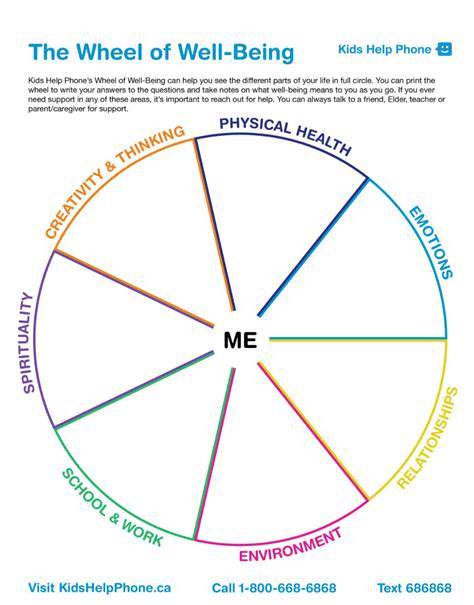
Employee Well-Being encompasses various aspects of mental, emotional, and physical health. It’s not just about avoiding stress or illness; it’s about creating an environment where employees can thrive. According to a Gallup study, companies with high employee well-being have 41% fewer absentee days. This statistic underscores the importance of a holistic approach to workplace health.
To foster this environment, organizations often implement programs focused on work-life balance, Mental Health Resources, and physical wellness initiatives. By proactively supporting their workforce, companies can see a significant return on investment in terms of productivity and employee satisfaction.
Creating a Supportive Culture
A supportive culture is foundational for enhancing employee well-being. This can be achieved by encouraging open communication, where employees feel safe to express their concerns or ideas without fear of backlash. Fostering a sense of belonging and inclusion is crucial to building this culture. Employees who feel valued are more likely to be engaged and productive.
- Encourage teamwork and collaboration among departments.
- Implement regular feedback loops to understand employee needs.
- Offer mentorship programs that align employees' growth with organizational goals.
Implementing Flexible Work Arrangements
Flexible work arrangements have gained popularity and have proven to increase employee satisfaction. Options such as remote work, flexible hours, and part-time opportunities can significantly help in managing personal responsibilities alongside professional duties. Companies adopting such policies often see decreased turnover rates.
Research conducted by FlexJobs indicates that 76% of employees would be more loyal to their employers if they had flexible work options. This loyalty translates directly into productivity, as engaged employees put forth greater effort in their roles.
Investing in Mental Health Resources
Mental health has become increasingly important in the workplace discourse. Organizations can invest in mental health resources such as Employee Assistance Programs (EAPs), mindfulness sessions, and therapy reimbursements. Such investments demonstrate a commitment to employees' overall well-being.
Moreover, fostering mental health awareness and training managers to recognize signs of distress can help mitigate issues before they escalate. A proactive approach to mental wellness not only supports individual employees but also enriches the workplace atmosphere.
Creating Opportunities for Professional Growth
Professional Development opportunities contribute significantly to employee satisfaction. When employees can grow and develop their skills, they feel more motivated to contribute to the organization’s success. Companies should consider providing training programs, workshops, and educational reimbursements to facilitate this growth.
Organizations can conduct talent assessments to identify skill gaps and tailor development programs accordingly. Investing in employees' futures can create a more capable and resilient workforce.
Encouraging Employee Feedback
Soliciting feedback from employees is crucial for understanding their needs. Regular surveys and feedback sessions can reveal areas where the organization can improve its policies or practices. Employees appreciate when their voices are heard, as it fosters a sense of ownership and involvement in the company’s culture.
Incorporating feedback into decision-making processes can enhance trust between employees and management. This approach also showcases the organization’s dedication to continuous improvement.
Measuring the Impact of Well-Being Initiatives
It’s essential to track and measure the outcomes of well-being initiatives to assess their effectiveness. Companies can set key performance indicators (KPIs) related to employee satisfaction, productivity, and retention rates to monitor progress. Regular analysis of these metrics allows organizations to make data-driven decisions about resource allocation and program adjustments.
Surveys and performance appraisals can provide valuable insights into the success of these initiatives. Organizations that actively measure and adapt their strategies are better positioned to cultivate a productive and thriving workforce.
Encouraging Professional Development
Implementing Training Programs
To foster an environment that encourages professional development, organizations should invest in structured training programs. Research conducted by the Association for Talent Development indicates that companies investing in employee training see productivity raised by an average of 24%. This is no coincidence, as well-trained employees not only become more competent but also more engaged with their work.
Offering varied training formats—such as workshops, online courses, and mentorship opportunities—ensures that all employees can find a learning style that suits them. Furthermore, organizations could consider sector-specific training that directly correlates to team goals, which reinforces both individual growth and collective success.
Establishing a Feedback Culture
Creating a culture that prioritizes feedback is vital for professional growth. Open discussions about performance enhancements between managers and team members foster an atmosphere of trust and open communication. According to a Gallup survey, teams that receive regular feedback improve performance and engagement levels by up to 25%. This demonstrates that actively seeking and giving constructive input can lead to significant gains in overall Workplace Productivity.
Recognizing and Rewarding Achievements
Understanding the Importance of Recognition in the Workplace
Recognition in the workplace is not just a feel-good measure; it is a vital component of organizational culture. Research indicates that employees who feel valued are more likely to be engaged and productive. According to a study from Gallup, engaged employees can lead to a 21% increase in profitability, underscoring the importance of a culture that prioritizes appreciation.
Moreover, recognition plays an essential role in employee retention. Companies with effective recognition programs boast 31% lower voluntary turnover rates. When employees know their contributions are acknowledged, they are less likely to seek opportunities elsewhere. This shows that fostering recognition can significantly impact a company's bottom line.
Types of Recognition Programs
Recognition can take various forms, each with its advantages. Informal recognition, such as verbal praise or a simple thank-you note, can have immediate and meaningful effects. On the other hand, formal recognition programs, such as Employee of the Month awards or bonuses, can incentivize excellence and encourage a culture of achievement.
Peer-to-peer recognition is also gaining traction. Platforms like Bonusly and Kudos allow employees to celebrate each other's successes, fostering a sense of camaraderie and teamwork. This can augment traditional recognition methods, making acknowledgment a shared responsibility rather than just top-down management.
Research published in the Harvard Business Review highlights that 79% of employees cite lack of recognition as a key reason for leaving a job. Hence, organizations must adapt their recognition strategies to meet diverse employee needs.
Implementing an Effective Recognition System
To create an effective recognition system, it's crucial to establish clear criteria for what constitutes recognition. Organizations should ensure that employees understand how their efforts align with company goals. This transparency helps employees see the direct impact of their contributions, increasing their sense of purpose.
Moreover, incorporating technology can streamline the recognition process. Online platforms can facilitate timely acknowledgments and foster a more interactive environment. According to a study by SHRM, companies that utilize technology for recognition report a 50% increase in lower turnover rates, signaling the importance of modern tools in enhancing cultural practices.
Furthermore, it’s essential to tailor recognition efforts to individual preferences. Some employees may appreciate public acknowledgment, while others prefer private praise. This personalized approach can demonstrate that an organization values its employees as individuals, enhancing the effectiveness of recognition strategies.
Measuring the Impact of Recognition on Productivity
Measuring the impact of recognition on productivity requires both qualitative and quantitative metrics. Surveys can provide valuable insights into employee satisfaction and engagement levels before and after implementing a recognition program. It's important to track changes in key performance indicators, such as team performance and turnover rates, to ascertain the effectiveness of recognition practices.
Moreover, organizations should analyze both short-term and long-term outcomes. For instance, immediate boosts in morale might not translate into lasting productivity gains. Organizations must review performance over time, including aspects like project completion rates and customer satisfaction levels, to determine the full effects of their recognition initiatives.
In addition, leveraging employee feedback through regular check-ins can provide actionable insights for continuous improvement. Adapting recognition practices based on employee feedback can refine initiatives and ensure they remain relevant and effective in fostering a productive work environment.
Cultivating a Culture of Continuous Improvement
To sustain a culture of recognition, organizations should promote continuous improvement. Regular training sessions focusing on appreciation techniques can empower employees at all levels to recognize their peers. This training equips employees with the skills necessary to foster an environment where achievement is consistently celebrated.
Moreover, leaders should model recognition behavior by actively acknowledging team contributions in meetings and company communications. By setting this tone from the top, organizations reinforce the Importance of Recognition as a core value. Studies have shown that established recognition practices lead to a 22% increase in performance, underscoring that a consistent commitment to recognition can catalyze a positive workplace culture.
Ultimately, fostering a culture of recognition requires ongoing evaluation and adaptation. Organizations should remain flexible and willing to modify their approaches based on emerging trends and employee feedback. This commitment to continuous improvement not only enhances recognition programs but can serve as a foundation for overall workplace productivity.
Fostering Collaboration and Teamwork
Understanding the Importance of Team Collaboration
Effective teamwork is crucial in today's fast-paced work environment. Research shows that teams that collaborate effectively can increase productivity by up to 25%. This means that fostering an environment where collaboration thrives not only enhances workplace dynamics but also propels overall productivity.
Moreover, teams that embrace collaboration often benefit from diverse perspectives. When employees from various backgrounds contribute ideas, it leads to innovative solutions. This diversity can be a competitive advantage, allowing companies to adapt and solve problems more creatively.
Implementing Tools for Better Communication
Modern workplaces must leverage technology to enhance communication among team members. Tools like Slack, Microsoft Teams, and Asana facilitate real-time discussions and project tracking, which can resolve issues quickly. According to a report by McKinsey, effective collaboration tools can improve productivity by 20-30% by ensuring everyone stays informed about project updates.
Encouraging Regular Feedback
Constructive feedback is an integral part of building a collaborative culture. Encourage team members to share insights on each other's work regularly. A study by the Harvard Business Review found that organizations fostering a feedback-rich environment saw a 14.9% improvement in employee performance. This suggests that creating a culture where feedback is welcome can significantly contribute to team effectiveness.
Furthermore, it's essential to train employees on how to give and receive feedback effectively. This not only improves communication but also enhances relationships among team members, leading to a more cohesive work environment.
Creating Opportunities for Team Bonding
Social interactions among employees are essential for fostering a collaborative culture. Organizing team-building activities can help break down barriers and build trust. Events like workshops, retreats, or even casual lunches provide opportunities for employees to connect outside of typical work tasks.
Defining Clear Roles and Responsibilities
To foster collaboration, it's important that each team member understands their role within the group. Clearly outlining responsibilities prevents confusion and overlaps, allowing teams to function more smoothly. According to a Gallup study, employees who know what is expected of them are 2.5 times more likely to be engaged in their roles, which boosts team productivity.
Recognizing and Celebrating Team Achievements
Celebrating team successes, both big and small, reinforces the value of collaboration. Recognizing collective achievements fosters a sense of belonging and motivates employees to work together more cohesively. Whether through shout-outs in meetings or team awards, acknowledgment goes a long way in building morale and encouraging continued collaboration.
Lastly, implementing a culture of recognition not only nurtures team spirit but can also enhance overall productivity. Acknowledged employees are more likely to feel valued and engaged, leading to higher performance and commitment to team goals.