How to Design a People First Work Culture
Jan 13, 2026 / zsfcdn103/
Contents
Employee well-being boosts productivity and profitability significantly.
Supportive environments improve employee engagement and reduce absenteeism.
Mental health resources enhance overall workforce well-being.
Leadership plays a vital role in promoting employee well-being.
Regular evaluation of well-being initiatives strengthens workplace morale.
Open communication fosters innovation and teamwork among employees.
Training enhances communication skills, increasing employee satisfaction.
Individualized training programs improve employee engagement and performance.
Continuous learning creates adaptable and empowered employees.
Leaders must prioritize employee development to foster growth.
Recognition improves morale and reduces employee turnover.
Effective recognition programs are crucial for maintaining engagement.
Collaboration enhances problem-solving and innovation within teams.
Open channels of communication boost employee engagement and contribution.
Team-building activities improve relationships and job satisfaction.
Collaborative technologies streamline workflows and enhance efficiency.
Recognizing the Importance of Employee Well-Being
The Connection Between Employee Well-Being and Productivity
Research by Gallup indicates that organizations with engaged employees achieve 21% higher profitability. A culture focused on Employee Well-Being directly correlates with productivity levels, as healthy and satisfied employees are more motivated to perform at their best. By prioritizing aspects like mental health, work-life balance, and overall happiness, companies can create an environment where employees feel valued and engaged.
Moreover, studies from the Harvard Business Review reveal that companies fostering employee well-being witness a noticeable decrease in absenteeism. This reduces operational disruptions and ensures that Productivity Levels remain stable or even improve. Thus, investing in employee wellness programs not only enhances individual performance but significantly contributes to the organization’s bottom line.
Creating a Supportive Work Environment
Establishing a supportive work environment is crucial for promoting employee well-being. This can include providing flexible work hours, opportunities for remote work, and fostering open lines of communication between management and staff. Employers should actively listen to their team’s needs, facilitating conversations that lead to actionable changes. Such practices not only cultivate a positive work atmosphere but also enhance employees' emotional and psychological safety.
Enhancing Mental Health Resources
Employers should prioritize mental health resources within their organizations. This can be achieved through providing access to mental health professionals, offering workshops on stress management, and encouraging a culture where seeking help is normalized. With 1 in 5 adults experiencing mental illness annually, organizations that take proactive steps in this direction can significantly impact their workforce's overall well-being and performance.
The Role of Leadership in Promoting Well-Being
Leadership plays a pivotal role in cultivating a people-first culture. Leaders who model self-care and openly discuss their own well-being create a ripple effect within their teams. Effective leaders emphasize the importance of well-being, setting expectations that prioritize employees' health without compromising productivity. Training leaders on how to recognize signs of burnout and stress can be invaluable in fostering a supportive environment.
Furthermore, providing leadership with the tools to communicate effectively about well-being initiatives can enhance engagement. Regular workshops or training sessions can equip them with knowledge on mental health awareness and strategies, enabling them to better support their teams.
Measuring Employee Well-Being
Measuring employee well-being is essential for any organization looking to improve its workplace culture. Utilizing tools such as employee satisfaction surveys and well-being assessments gives valuable insights into the current state of employee morale and health. Regularly collecting this data not only helps in identifying areas that require attention but also allows organizations to evaluate the effectiveness of implemented welfare programs.
Additionally, tracking metrics such as employee turnover rates, productivity stats, and absenteeism can provide organizations with a clear picture of the impact that their well-being initiatives have on overall business performance. By continuously refining their approach based on measurable feedback, organizations can create a sustainable and attractive workplace culture.
Encouraging Open Communication
Creating a Safe Space for Dialogue
In order to cultivate a culture where open communication is encouraged, organizations must first establish a Safe Space for dialogue. This involves fostering an environment where employees feel secure enough to voice their thoughts and concerns without fear of retribution. Research indicates that companies with high psychological safety see a 27% increase in performance and innovation, as employees are more likely to share ideas and take risks when they feel supported.
Leadership plays a critical role in setting this tone. Leaders should actively demonstrate their commitment to open dialogue by being approachable and receptive to feedback. Implementing regular one-on-one meetings or team check-ins can serve as an effective means to create these opportunities for discussion. Such practices ensure that employees know their input is valued, further enhancing their willingness to communicate openly.
Training Programs to Enhance Communication Skills
To reinforce a culture of open communication, organizations should invest in training programs that enhance employees' Communication Skills. These programs can cover various aspects, from active listening to effective feedback techniques. According to a survey conducted by the International Association of Business Communicators, companies that prioritize communication training see a 47% improvement in employee satisfaction and retention rates, demonstrating the tangible benefits to both individuals and the organization as a whole.
Additionally, integrating role-playing scenarios and real-life case studies into these training sessions can provide employees with practical tools and insights. These strategies not only improve individual competencies but also foster greater team collaboration, ultimately leading to a more cohesive work environment where ideas flow freely and creatively.
Investing in Employee Development
Understanding the Importance of Employee Development
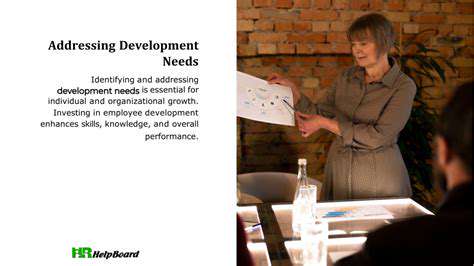
Employee Development has evolved into a crucial strategy for organizations aiming to enhance both performance and employee satisfaction. Investing in the growth of employees not only improves their skills but also increases organizational loyalty. Companies that prioritize development often see improved performance metrics, resulting in higher productivity and innovation levels.
Research indicates that businesses focusing on employee training experience 24% higher profit margins than those neglecting development initiatives. Organizations that offer development programs not only retain talent longer but also cultivate leaders from within, which enriches company culture.
Tailoring Training Programs to Individual Needs
It is essential for organizations to recognize that every employee has unique learning styles and career aspirations. By conducting needs assessments, companies can tailor their training programs to better align with individual and team objectives. Customized learning paths can significantly enhance employee engagement and overall satisfaction.
Utilizing tools such as surveys or one-on-one meetings can help identify specific areas for improvement, enabling the design of effective training modules. This individualized attention ensures that investments in development yield optimal results.
Implementing Continuous Learning Opportunities
- Encourage habit formation to promote ongoing development.
- Integrate technologies like e-learning platforms for accessibility.
- Create mentorship programs to support knowledge sharing.
Continuous learning fosters an environment where employees feel empowered to grow and adapt to changing job demands. Providing access to e-learning platforms and workshops allows employees to learn at their own pace, making development more feasible. Additionally, establishing mentorship programs initiates valuable relationships and encourages employees to share insights and experiences.
The Role of Leadership in Employee Development
Leadership plays a vital part in shaping an organization's commitment to employee development. When leaders actively promote and participate in training initiatives, they demonstrate its importance, encouraging their teams to embrace learning. Leaders should not only communicate the vision for employee development but also be approachable, cultivating an open atmosphere for discussion about growth opportunities.
An effective leader knows how to recognize and celebrate employee achievements, further motivating team members to engage in their development journey. Building this culture of recognition reinforces commitment and growth, creating an environment where continuous development is the norm.
Measuring the Impact of Development Programs
To ensure that development initiatives are effective, companies need to assess their impact systematically. Utilizing Key Performance Indicators (KPIs) related to employee performance, retention, and satisfaction metrics can provide insights into the effectiveness of training efforts. Regular evaluations should be conducted to fine-tune programs and strategies to better align with organizational goals.
The correlation between training investments and performance improvements supports a data-driven approach to employee development. By connecting these metrics with business outcomes, organizations can demonstrate to stakeholders that training programs contribute to the bottom line.
Building a People-First Culture through Development
A people-first culture is centered around valuing employees and investing in their growth. Prioritizing employee development not only enhances individual skills but also fosters a collaborative and engaged workforce that feels appreciated and understood. This sense of belonging leads to higher overall morale, which translates to improved organizational outcomes.
Companies can further solidify a people-first approach by involving employees in the decision-making processes related to their development. Encouraging feedback about the available programs leads to a more engaged workforce that feels their voice matters in shaping their growth opportunities.
Recognizing and Rewarding Employee Contributions

Understanding the Importance of Employee Recognition
Effective employee recognition plays a pivotal role in enhancing workplace morale. When employees feel that their efforts are acknowledged, it can significantly boost their motivation and productivity. Studies have shown that recognizing contributions can lead to an increase in engagement by up to 60%.
A positive recognition culture can decrease turnover rates as well. Employees who feel valued are less likely to seek opportunities elsewhere, allowing companies to maintain a stable workforce. Ultimately, appreciating contributions not only uplifts individual employees but also strengthens the entire organization.
Strategies for Implementing Recognition Programs
- Establish clear criteria for recognition.
- Utilize both informal and formal recognition methods.
- Incorporate peer recognition to enhance camaraderie.
- Regularly review and adapt recognition programs based on feedback.
Implementing a recognition program requires careful planning and execution. Start by defining the behaviors and achievements that should be highlighted. Then, create a mixture of formal and informal recognition avenues to cater to various preferences. Tailoring recognition enhances its impact and ensures that employees feel truly appreciated.
Measuring the Impact of Recognition on Company Culture
To accurately gauge the effectiveness of recognition efforts, it is crucial to track key performance indicators (KPIs). These can include employee satisfaction scores, turnover rates, and productivity metrics. Research indicates that organizations with robust recognition practices see a notable correlation between recognition and overall performance. Assessing these metrics over time can provide valuable insights.
Another effective method is gathering employee feedback through surveys. Regular check-ins can reveal how recognition programs are perceived and identify areas for improvement. These insights can direct adjustments that foster a more supportive and engaged workplace.
Fostering a Collaborative Environment
Understanding the Importance of Collaboration
Collaboration in the workplace significantly enhances problem-solving capabilities. According to a study by Stanford University, teams that collaborate effectively can solve problems more creatively than individuals working in isolation. This teamwork leads to innovative solutions that benefit the organization and boost employee morale.
Furthermore, a collaborative environment fosters diversity of thought. When employees from various backgrounds and departments work together, they bring unique perspectives that can lead to a more comprehensive approach to challenges. This diversity not only enriches discussions but also strengthens the decision-making processes within the company.
Creating Open Channels of Communication
Establishing open communication channels is vital for fostering collaboration. Organizations should leverage tools like Slack or Microsoft Teams to improve real-time communication among employees. These platforms not only facilitate messages but also encourage informal discussions, which can lead to spontaneous brainstorming sessions.
Regular meetings should be scheduled as well, but they must be structured to allow everyone an opportunity to contribute. A survey conducted by Attest revealed that companies with regular team check-ins saw a 30% increase in employee engagement. The key is to create a safe space where all voices are heard.
Encouraging Team-Building Activities
Organizing Team-building activities is an effective way to strengthen relationships among coworkers. Events such as workshops, retreats, or even casual outings provide employees with the opportunity to interact outside the usual work environment. This interaction can lead to improved interpersonal relationships and a stronger team dynamic.
According to a study published in the Journal of Organizational Behavior, teams that engage in regular team-building activities report lower stress levels and higher job satisfaction. These activities help break down barriers and foster a culture of trust and cooperation, ultimately leading to enhanced productivity.
Implementing Collaborative Tools and Technologies
In our increasingly digital workplace, adopting collaborative tools is essential. Platforms like Asana and Trello facilitate teamwork by providing transparency and accountability for task assignments. Employees can track progress, share updates, and collaborate on projects in real time, which minimizes redundancies and streamlines workflows.
Moreover, utilizing cloud-based solutions allows team members to access shared documents from anywhere, making remote collaboration seamless. Investing in these technologies not only fosters collaboration but also improves overall efficiency within the organization.
Recognizing and Rewarding Collaborative Efforts
It's essential to acknowledge and reward employees who excel in collaborative efforts. Recognizing individuals or teams for their innovative contributions not only boosts morale but also sets a precedent for the expected behavior in the workplace. Implementing systems for recognition can include public praise, bonuses, or opportunities for professional development.
A research initiative by Deloitte indicated that organizations with reward systems in place see a 14% increase in productivity. Encouraging a culture of appreciation cultivates a positive environment where collaboration thrives, motivating others to contribute similarly.