How to Measure Success in Remote Work
Jan 11, 2026 / zsfcdn103/
Contents
KPIs measure remote team success through productivity and engagement metrics.
Technology enhances tracking of remote team success and performance.
Clear communication channels support alignment and morale in remote teams.
SMART goals provide structured objectives for effective remote team evaluation.
Monitoring employee engagement improves productivity and reduces turnover.
Regular evaluation fosters team performance and continuous improvement.
Choosing appropriate tools is essential for efficient remote collaboration.
Integrating performance analytics offers actionable insights into team productivity.
Employee well-being is vital for engagement and productivity in remote work.
Continuous review of strategies ensures adaptability to remote work dynamics.
Clear expectations enhance accountability and drive remote team success.
Constructive feedback mechanisms build a collaborative and productive environment.
Recognition of contributions strengthens individual commitment to team goals.
A structured recognition program boosts employee engagement and morale.
Real-time feedback technology improves recognition impact and employee performance.
Measuring recognition impact helps assess its effectiveness on productivity.
Creating a culture of continuous improvement enhances collaboration and relationships.
Feedback mechanisms promote open dialogue and honest communication in teams.
Analyzing feedback identifies common pain points that need attention.
Visible implementation of feedback reinforces employee value and trust.
Communicating changes fosters trust and unity in remote teams.
Monitoring impacts of changes ensures effectiveness and ongoing improvement.
A strong feedback culture enhances communication and collaboration in remote settings.
Defining Success Metrics for Remote Teams
Understanding Key Performance Indicators (KPIs)
Key Performance Indicators, or KPIs, are vital for quantifying the success of remote teams. For remote work, essential KPIs can include metrics such as team productivity, project completion rates, and employee engagement scores. Establishing clear KPIs allows for benchmarking performance, thereby providing tangible targets to aim for and evaluate against.
Different industries might require distinct KPIs; for example, a software development team may prioritize code quality and deployment frequency, while a customer support team might focus more on response times and customer satisfaction surveys. Identifying relevant KPIs should align directly with organizational goals for effective measurement.
Leveraging Technology for Measurement
The right tools can dramatically enhance the ability to track success metrics for remote teams. Project management software such as Trello or Asana provides real-time visibility into project timelines and task completion. Meanwhile, tools like Slack enable teams to maintain communication, fostering collaboration, and tracking engagement.
Cloud-based reporting systems can also show progress against KPIs, providing data-driven insights that reveal how teams perform against set objectives. Consider integrating platforms that allow for seamless data aggregation to enable comprehensive performance evaluation across different metrics.
Such technological integration is increasingly crucial; according to a report by Gartner, companies that effectively use technology to measure performance see productivity increases of up to 20%.
Establishing Clear Communication Channels
Communication is the backbone of effective remote teams. It’s essential to create clear communication protocols to ensure everyone stays aligned with organizational objectives. Regular check-ins help to evaluate performance, address challenges, and keep morale high.
Utilizing video conferencing tools like Zoom or Google Meet can facilitate more dynamic discussions than traditional emails, leading to more productive outcomes. Moreover, setting up regular feedback loops can help team members feel heard and appreciated, further enhancing productivity.
Setting SMART Goals
To effectively gauge success, it's important to establish SMART goals—Specific, Measurable, Achievable, Relevant, and Time-bound. This approach enables teams to set Clear Expectations and reduces ambiguity. For example, instead of saying, we want to improve customer satisfaction, a SMART goal would articulate, we aim to increase customer satisfaction scores by 15% within the next quarter.
By applying the SMART framework, you gain a structured way to define objectives that not only grow your remote team’s effectiveness but also engage team members towards common goals. This not only results in better productivity but also nurtures a sense of ownership among team members.
Monitoring Employee Engagement
Employee Engagement stands as one of the most significant indicators of remote team success. High levels of engagement are typically associated with increased productivity and lower turnover rates. Regular surveys can help gauge team morale, while one-on-one meetings can provide valuable insights into individual experiences within the remote work environment.
Research from Gallup suggests that organizations with high employee engagement levels can achieve up to 21% more productivity. Implementing practical strategies, such as Recognition Programs or team-building activities, can foster a more engaged work atmosphere, ultimately translating into better overall performance.
Evaluating Outcomes and Iteration
Continuous improvement hinges on evaluating outcomes regularly. After setting KPIs and measurable goals, it's important to assess which strategies have been successful and which haven’t. This evaluation should incorporate both quantitative results and qualitative feedback to form a holistic view of team performance.
The iterative process is crucial; what works for one team might not suit another. Engaging team members in discussions about performance metrics can provide novel insights and foster a culture of transparency and collaboration, integrating their perspectives into the evaluation process for collective benefit.
Utilizing Technology for Real-Time Monitoring
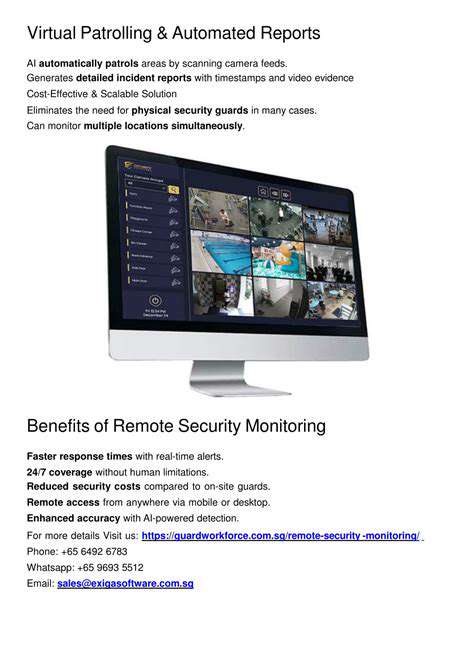
Choosing the Right Tools for Real-Time Monitoring
When it comes to enhancing productivity in a remote work environment, selecting appropriate tools is essential. Companies should assess platforms like Asana, Trello, or Monday.com to track tasks and progress efficiently. These tools facilitate Real-time collaboration, ensuring that remote teams stay aligned and accountable. A well-integrated suite can minimize misunderstandings and foster a culture of transparency.
Additionally, tools such as Slack or Microsoft Teams allow for instant communication, which is vital for quick decision-making. Organizations often overlook the importance of communication tools, but they play a critical role in the success of remote work setups. Selecting the best options tailored to your team's specific needs cannot be overstated.
Setting Realistic KPIs for Monitoring
- Establish clear expectations for output and timeliness.
- Regularly review KPIs to ensure relevance and accuracy.
- Involve team members in the process for more significant buy-in.
Key Performance Indicators (KPIs) serve as a roadmap for measuring productivity. It's important to identify relevant metrics that truly capture the effectiveness of remote work. For instance, tracking project completion rates offers insights into how well teams are performing against deadlines. Incorporating qualitative feedback can also enrich these measurements.
Moreover, aligning KPIs with organizational goals will enhance focus. Instead of relying solely on numerical data, consider qualitative assessments that can shed light on employee engagement and satisfaction, which are also vital components of overall success.
Implementing Feedback Mechanisms
Establishing continuous feedback loops is crucial for improving team dynamics in remote setups. Regular check-ins can provide valuable insights into team well-being and project status. Organizations that prioritize two-way feedback demonstrate a commitment to employee development and engagement. A structured Feedback system can quickly surface challenges and areas for improvement.
Tools like SurveyMonkey or Google Forms can facilitate anonymous feedback, helping employees feel more comfortable sharing their thoughts. Utilizing these tools to collect data periodically makes it easier to identify trends over time.
Integrating Performance Analytics
Performance analytics allow organizations to delve deep into productivity data gathered from various tools. By utilizing analytics, companies can derive actionable insights that can drive employee performance significantly. Deploying analytics solutions can help clarify which tasks consume the most time and resources. With this knowledge, adjustments can be made to optimize workflows and improve team efficiency.
Moreover, visualization tools can present these analytics in an easily digestible format. By converting raw data into dashboards, teams can quickly understand their progress toward goals and targets.
Prioritizing Employee Well-Being
Employee well-being should be at the forefront of any remote work strategy. Monitoring tools can often overlook this aspect, leading to burnout and disengagement. It's imperative for organizations to incorporate initiatives aimed at mental health support, such as virtual wellness check-ins and access to mental health resources. By promoting well-being, organizations can improve employee retention and overall productivity.
Additionally, encouraging regular breaks and preventive measures against isolation fosters a healthy remote working environment. Employees should feel empowered to manage their work-life balance effectively.
Regular Review and Adaptation
To ensure ongoing success in remote work environments, it's essential that organizations conduct regular reviews of their monitoring strategies. This iterative process should involve examining existing tools, KPIs, and employee feedback. By evaluating these components periodically, companies can easily adapt to changing circumstances. Flexibility is key in dynamic work environments.
Organizations should allocate time for strategy sessions that focus on refining their monitoring techniques. Engaging employees in these discussions can enhance the relevance and effectiveness of the adaptations. This collaborative approach nurtures buy-in and fosters a culture of continuous improvement.
Fostering a Culture of Accountability and Feedback
Establishing Clear Expectations and Guidelines
To promote accountability in remote teams, it’s crucial to set clear expectations around roles, responsibilities, and deliverables. Research indicates that teams with well-defined goals achieve 30% more than those without clear objectives. Each team member should have specific tasks outlined in project management tools, ensuring everyone understands their priorities and deadlines.
In addition, regular check-ins can help reinforce these expectations. Weekly meetings can provide team members with a platform to voice challenges and align on progress. These sessions should focus not just on what needs to be done but also on reviewing completed tasks. Transparency breeds trust and encourages accountability.
Encouraging Constructive Feedback Mechanisms
Feedback is a double-edged sword; when used thoughtfully, it can propel team members toward success. Implementing structured feedback processes, such as regular performance reviews or peer evaluations, helps create an environment of openness. According to studies, teams that practice Constructive Feedback see a 12% increase in productivity as employees feel heard and valued.
Utilizing tools like anonymous surveys or one-on-one feedback sessions can also facilitate honest communication. It’s not just about critiquing performance; it’s about fostering growth. When team members share insights on each other’s work, it builds a collaborative atmosphere where everyone thrives.
Recognizing Contributions and Accountability
Recognizing the contributions of team members can significantly enhance accountability. Celebrating small wins, whether through shout-outs in meetings or utilizing team recognition platforms, strengthens individual commitment to team goals. This acknowledgment not only boosts morale but also encourages others to take ownership of their tasks.
Moreover, developing a culture of accountability doesn’t stop at recognition. It’s essential to link performance outcomes to tangible rewards or consequences. Research indicates that nearly 70% of professionals value recognition as a key motivator in their work. Thus, intertwining accountability with reward systems ensures that employees remain driven and engaged.
Recognizing and Rewarding Achievements
Identifying Key Performance Indicators
Establishing clear Key Performance Indicators (KPIs) is essential for measuring success in remote work environments. These indicators should relate directly to the specific goals of the organization and the individual employee. For example, sales metrics might include revenue generated per employee, while project completion rates can serve as a KPI for project managers.
It's crucial to communicate these KPIs effectively. Holding regular meetings to review individual and team performance against the set KPIs can foster accountability and motivation. This transparency builds a culture of recognition, ensuring that employees are aware of what constitutes success and can strive toward those benchmarks.
Creating a Structured Recognition Program
A structured recognition program offers a systematic approach to acknowledging achievements. This can involve monthly awards, public shout-outs during team meetings, or a dedicated platform for employees to share success stories. Data from Gallup indicates that organizations with recognition programs have 14% higher employee engagement levels, reinforcing the impact of acknowledgment.
When designing such a program, consider incorporating different types of recognition, including peer-to-peer recognition, which can be particularly effective in remote settings. For instance, using tools like a “Wall of Fame” on your intranet can create an environment where employees feel valued by their peers, enhancing team cohesion.
Moreover, aligning recognition closely with organizational values and goals will ensure that the achievements being celebrated resonate with the overall mission of the company, making them more meaningful.
Utilizing Technology for Real-Time Feedback
In today’s digital age, technology plays a vital role in providing timely feedback and recognition. Tools such as Slack, Microsoft Teams, and other collaboration platforms can facilitate instant acknowledgment. For instance, implementing a dedicated channel for celebrating wins can allow for immediate recognition of team members’ achievements.
According to a study by O.C. Tanner, companies that use recognition technology see a 31% increase in employee performance. By leveraging current technology, businesses can promote a culture of continuous feedback, making employees more aware of their contributions. This immediate recognition can be far more impactful than annual awards, reinforcing positive behaviors in real-time.
Measuring the Impact of Recognition
To understand the effectiveness of recognition efforts, it’s important to measure their impact on both employee morale and overall productivity. Surveys and feedback sessions can provide insights into how employees perceive recognition within the organization. Consistent tracking of turnover rates and employee satisfaction scores can also shed light on the efficacy of your recognition practices.
Additionally, linking recognition to performance reviews can provide a more comprehensive view of an employee's contributions. It’s essential to gather data not just on how often employees are recognized, but also on whether this recognition correlates with increased productivity or job satisfaction over time.
Fostering a Culture of Continuous Improvement
Creating a culture that promotes continuous improvement involves integrating recognition into the daily work routine. Encouraging employees to set personal goals and acknowledge one another’s successes can enhance this process. Rather than waiting for formal evaluations, team members should be encouraged to recognize contributions regularly, leading to enhanced relationships across virtual spaces.
Training managers to recognize and reward local achievements can also instill a sense of ownership and pride among team members. This practice can lead to a more motivated workforce and reduced feelings of isolation often reported in remote work scenarios. By embedding recognition into the fabric of the organization, you create an environment that fosters long-term success.
Adapting Strategies Based on Feedback

Understanding the Importance of Feedback
Feedback is crucial in any work environment, particularly in remote settings where communication may be limited. By harnessing the insights gained from feedback, teams can identify areas for improvement and foster a culture of continuous growth. Organizations that prioritize feedback report higher employee engagement and retention rates.
Moreover, understanding the roots of feedback enables leaders to address issues before they escalate into larger problems. Feedback serves not only as a tool for assessment but also as a bridge that connects individual performance to organizational goals. It is essential for remote teams to view feedback as an opportunity rather than criticism.
Types of Feedback Mechanisms
- Anonymous surveys for candid responses
- One-on-one check-ins to promote open dialogue
- Peer reviews to foster a collaborative environment
Employing various feedback mechanisms helps ensure that different voices and perspectives are heard. For example, anonymous surveys can provide a platform for honest opinions without fear of repercussions. Surveys can delve into aspects such as job satisfaction, communication effectiveness, and work-life balance, and they can yield valuable insights.
Likewise, regular one-on-one check-ins not only give managers the opportunity to connect with their employees but also open lines for constructive conversations where feedback flows freely.
Analyzing Feedback Effectively
Analyzing feedback is as important as the collection process itself. It’s vital to categorize the feedback into themes to identify common pain points. Once categorized, teams can prioritize the most pressing issues that need immediate attention. Research indicates that 78% of employees believe that their organization ignores feedback. Addressing the feedback can thus directly link to improved morale.
Utilizing analytical tools can help streamline this process, making it easier to visualize trends over time. Whether using software or manual methods, understanding the data behind feedback can lead to more informed decision-making and strategic adaptations.
Implementing Changes Based on Feedback
Once feedback has been analyzed, the next step is implementation. It is essential for organizations to take visible actions based on the feedback received. This not only validates the employees' perspectives but also illustrates that their input is valued. Lack of action can lead to disenchantment and disengagement among team members.
Moreover, organizations should communicate what changes will be made based on feedback. Creating a roadmap for these actions fosters transparency and trust, both of which are essential in remote work contexts. It shows that the organization is moving towards a more employee-centered approach.
Communicating Changes to the Team
Effective communication of changes is key to fostering trust in remote teams. Leaders should outline the rationale behind specific changes based on the feedback received and explain how these adjustments will impact the employee experience. Keeping the team updated creates a sense of unity and purpose, which are often challenged in remote settings.
A clear communication strategy that includes regular updates, team meetings, and newsletters can serve to reinforce this information. Employees appreciate understanding not just the 'what’ but the ‘why’ behind organizational decisions.
Monitoring the Impact of Changes
After implementing changes, it’s crucial to monitor their impact continuously. This ensures that improvements are effective and meet the desired outcomes. Establishing KPIs (Key Performance Indicators) can help measure the effectiveness of the changes and whether they address the issues identified in the feedback.
Having regular follow-up surveys or feedback sessions will create a loop of improvement, allowing for ongoing adjustments. This iterative process is essential in maintaining a responsive and dynamic workspace, especially when working remotely.
Fostering a Feedback Culture
Ultimately, creating a feedback-heavy environment is a gradual process. Leadership must model the behavior they wish to see, actively seeking feedback and showing responsiveness to it. When leaders are open to input, it sets a tone for the rest of the team. Engaging in regular training on providing and receiving feedback can also empower employees to take part in this culture.
In summary, fostering a strong feedback culture not only enhances communication but also aids in building trust and collaboration. Organizations that achieve this will witness a marked improvement in their remote work dynamics, leading to a healthier, more productive remote workforce.