How to Improve Employee Motivation in Remote Work
Jan 13, 2026 / zsfcdn103/
Contents
Establish clear communication channels to connect remote employees effectively.
Encourage regular feedback to enhance employee motivation.
Host virtual team-building activities to improve morale and camaraderie.
Implement transparent goal-setting to foster employee engagement.
Define achievable metrics to provide clear direction for employees.
Regularly review expectations to support employee adjustments.
Recognize employee achievements to enhance productivity and engagement.
Utilize various reward methods for motivating remote employees.
Encourage work-life balance to prevent burnout and improve satisfaction.
Promote flexible work hours to enhance employee control and decrease stress.
Incorporate health and wellness programs to support employee well-being.
Invest in professional development for employee growth and motivation.
Facilitate mentorship programs to enhance learning and engagement.
Encourage continuous learning and networking opportunities for employees.
1. Foster a Culture of Communication
1. Establish Clear Communication Channels
To foster Effective Communication, organizations should implement a variety of channels for employees to connect. Tools like Slack, Microsoft Teams, or Zoom allow for different modes of conversation, from casual chats to formal meetings. Establishing these channels promotes a sense of presence and can minimize feelings of isolation among remote workers.
Additionally, clear guidelines on utilizing these tools can streamline communication. Organizations that define specific times for check-ins or dedicated Slack channels for project updates report higher engagement levels. This structure helps employees understand when and how to communicate efficiently.
2. Encourage Regular Feedback Loops
Regular Feedback is crucial for remote employees to feel valued and motivated. Institutions can implement weekly or bi-weekly one-on-one check-ins focused on performance and career aspirations. According to research by Gallup, employees who receive consistent feedback are 50% more likely to feel motivated in their roles.
3. Host Virtual Team-Building Activities
Team-building activities are often sidelined in remote environments, yet they are essential for employee morale. Virtual events, such as online games or collaborative projects, can create a sense of camaraderie. Companies that have adopted such measures report a 30% increase in overall team satisfaction.
Incorporating casual virtual coffee breaks allows team members to connect on a personal level. Even short, informal check-ins can significantly enhance interpersonal relationships and mitigate remote work’s potential impersonal nature.
4. Implement Transparent Goal-Setting Practices
Clear and transparent goal-setting can drive motivation among remote employees. Companies should encourage employees to set individual and team goals aligned with broader organizational objectives. According to a recent study from Harvard Business Review, employees are 20% more engaged when they have well-defined goals and understand how they contribute to the company's success.
Furthermore, sharing progress updates and celebrating achievements can sustain motivation. Regular visibility into both individual and collective milestones fosters a collaborative environment, where employees feel a shared sense of purpose.
2. Set Clear Goals and Expectations
Define Achievable Metrics and Benchmarks
Establishing specific metrics provides employees with clear milestones to aim for. These benchmarks not only give direction but also make it easier to measure progress. Studies have shown that organizations that utilize structured performance metrics see a 12% increase in motivation levels. Consider involving team members in selecting metrics to increase their investment in achieving these goals.
Moreover, it's essential to keep these metrics realistic. Demanding unattainable goals can lead to frustration and disengagement. According to research conducted by the American Psychological Association, setting overly ambitious targets can have detrimental effects on employee morale. Thus, goal-setting should be a blend of challenge and attainability, promoting a healthy motivation environment.
Regularly Review and Adjust Expectations
Consistency in reviewing progress is key to maintaining motivation. Regular check-ins can help identify what's working and what isn’t, allowing for necessary adjustments. According to a Gallup study, teams that conducted regular performance discussions experienced a significant boost in engagement—over 20%. This proactive approach helps ensure that employees feel supported and can realign their efforts as needed.
Furthermore, adapting expectations as situations evolve is critical, especially in a remote setting. By acknowledging that personal circumstances may change, managers can foster a more empathetic and resilient workforce. For instance, if a team member is facing personal challenges, adjusting deadlines can alleviate undue stress while ensuring that the work remains of high quality.
3. Recognize and Reward Achievements
Understanding the Importance of Recognition
Recognition of achievements within a remote work environment is critical for maintaining Employee Motivation. In a survey conducted by Gallup, 67% of employees who receive regular recognition said they are more productive. This highlights the need for consistent acknowledgment of effort, no matter where the employee is located.
Moreover, when employees feel their contributions are valued, not only does it enhance morale, but it also fosters a sense of belonging within the organization. Recognition makes remote employees feel more connected to the team and their purpose, ultimately leading to improved engagement and commitment.
Effective Methods for Rewarding Achievements
Organizations can implement various methods for recognizing employee achievements. Virtual awards ceremonies, recognition platforms, and personalized notes from managers are all effective ways to highlight individual and team accomplishments. The use of digital platforms such as Bonusly or Kudos allows colleagues to recognize each other in real-time, creating a culture of appreciation.
Additionally, offering tangible rewards can also boost motivation. Consider providing gift cards, additional paid time off, or even professional development opportunities as incentives for outstanding work. This approach not only rewards individual achievements but also aligns with career growth aspirations, which is crucial for remote workers.
Incorporating employee recognition into the organization's culture should be a strategic priority rather than an afterthought. Consistent recognition fosters an environment where everyone feels empowered to excel, leading to higher retention and productivity rates in the long run.
The Role of Regular Check-Ins
Regular check-ins can serve as an excellent opportunity for recognition. Managers should schedule weekly or bi-weekly one-on-one meetings to discuss progress, and accomplishments, and provide constructive feedback. It allows for timely recognition, ensuring that employees don’t feel forgotten or overlooked. Effective communication during these check-ins can reinforce the value of their work.
Furthermore, these meetings can also help managers identify areas of improvement and offer support where needed. By maintaining open lines of communication, leaders can personalize recognition efforts, making it more impactful for the individual. This approach not only boosts the individual’s motivation but also cultivates a culture of transparency and support across remote teams.
Data-Driven Approaches to Recognition
Implementing a data-driven approach to recognition can significantly enhance its effectiveness. Tools like performance dashboards and analytics can track employee achievement and engagement levels. For instance, a report by McKinsey revealed that organizations using performance metrics to measure recognition had a 20% higher employee satisfaction rate. Such insights can guide managers in recognizing high performers more effectively.
Additionally, organizations should consider conducting annual or quarterly surveys to understand employee sentiment regarding Recognition Programs. Gathering data on how recognition impacts motivation can lead to insights that shape future strategies. Regularly refining recognition efforts based on employee feedback ensures that they remain relevant and effective.
Ultimately, a well-structured recognition program that leverages data will not only motivate employees but also demonstrate an organization's commitment to valuing its workforce. The integration of measurable outcomes into recognition practices can serve as a powerful tool in the broader strategy of improving employee motivation, especially in remote settings.
4. Promote Work-Life Balance
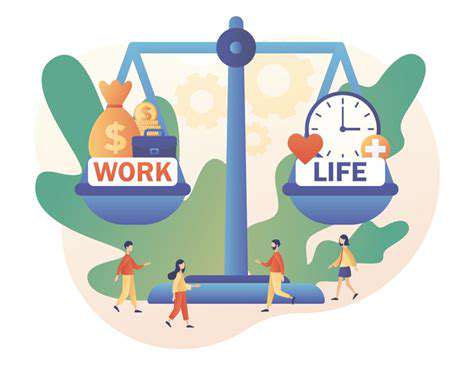
Understanding Work-Life Balance
Work-life balance refers to the equilibrium between an individual’s professional responsibilities and personal life obligations. It's crucial for preventing burnout and ensuring employees remain motivated. Research indicates that remote workers who maintain this balance report higher job satisfaction and productivity levels.
The concept has gained significant traction in recent years, particularly in response to changing work dynamics brought on by the pandemic. Balancing work tasks with personal interests can lead to enhanced creativity, engagement, and overall performance in the workplace.
Implementing Flexible Work Hours
- Flexibility enables employees to tailor their work schedules.
- Different time zones can necessitate adjustments for global teams.
Introducing flexible work hours can drastically improve employee morale. When people can choose their working hours, they feel a Greater sense of control over their day, leading to decreased stress levels. In fact, studies show that companies implementing flexible schedules see an increase in productivity by 30%.
Encouraging Regular Breaks
Research shows that taking regular breaks can reset focus and enhance energy levels, allowing employees to return to their tasks refreshed. It's vital that companies encourage their staff to step away from their screens at intervals. This practice not only reduces eye strain but also fosters a culture of health and well-being.
Incorporating scheduled breaks into the workday can also help alleviate feelings of isolation. For example, virtual coffee breaks allow remote teams to connect socially, improving interpersonal relationships and team cohesion.
Promoting Health and Wellness Programs
Offering health and wellness initiatives is a proactive approach to promoting work-life balance. These programs can range from virtual fitness classes to mental health resources, providing employees with tools to manage stress. Fostering a Culture that supports well-being often leads to increased satisfaction and loyalty among staff.
Organizations that prioritize health and wellness typically report lower absenteeism rates and higher employee engagement. Regularly assessing these programs and soliciting employee feedback can ensure they meet the evolving needs of a remote workforce.
5. Invest in Professional Development

Focus on Skill Development
Encouraging employees to enhance their skills can significantly boost motivation. Providing access to online courses and workshops not only fosters professional growth but also shows commitment to employee success. When employees see that their organization values their development, it enhances their sense of belonging.
Skill Development programs should be tailored to individual needs. This personalized approach not only elevates their capabilities but also aligns with organizational goals, thereby increasing overall productivity.
Utilize Mentorship Programs
Implementing Mentorship Programs can create a robust learning environment. Pairing less experienced employees with seasoned professionals allows for knowledge transfer and fosters a collaborative culture. Mentorship is a two-way street that benefits both parties; mentors refine their leadership skills while mentees gain valuable insights.
Research shows that employees with mentors perform better and are more likely to stay with the company long-term. Establishing a structured mentorship framework can leave lasting impacts on employee morale and engagement.
Encourage Continuous Learning
- Promoting a culture of continuous learning can be incredibly beneficial.
- Incorporating learning tools and platforms that offer diverse content keeps employees engaged.
- Encourage collaborative online learning to create a networking environment.
To maintain high motivation levels, promote access to e-learning platforms focusing on emerging trends in their respective fields. Encouraging teams to participate in webinars, conferences, and online forums can ignite fresh ideas and inspire creativity within their roles.
Set Clear Career Paths
Creating defined career paths helps remote employees visualize their futures within the organization. By outlining the steps needed for advancement, you provide them with tangible goals to strive for, which is a key ingredient in motivation. When employees understand the criteria for promotions and raises, they are more likely to put in the necessary effort to meet those goals.
Regular check-ins and feedback sessions can align both employee aspirations and organizational objectives. This proactive communication fosters a more engaged workforce, as employees feel supported in their career aspirations.
Facilitate Networking Opportunities
Connecting remote employees with peers through virtual networking events can break the isolation often felt in remote settings. Networking allows employees to share experiences, challenges, and insights. These interactions can spark collaboration and innovative solutions to common problems. Such opportunities can be instrumental in enhancing workplace culture and employee satisfaction.
Regularly scheduled virtual coffee breaks or team-building activities can help build relationships and trust. This ultimately contributes to a more cohesive team dynamic and can lead to improved overall performance.