
Fostering Strong Communication Practices in Remote TeamsEffective communication is vital for remote teams to thrive in today’s work environment. This article delves into the essential practices required to foster strong communication, build a culture of trust, and promote overall team well-being. Establishing Clear Communication ChannelsClear communication channels must be established to avoid confusion and enhance productivity. Utilize tools such as email for formal correspondence, instant messaging for quick inquiries, and video conferencing for meetings. Understanding the purpose of each tool ensures seamless interaction among team members and promotes clarity. Encouraging Open DialogueA supportive environment where team members feel free to share opinions is fundamental. Implement regular feedback sessions—anonymously if possible—to cultivate trust and transparency. Consider incorporating casual conversations through virtual coffee breaks to enhance relationships and team cohesion. Setting Communication ExpectationsIt's crucial to clarify response times for different communication methods. Make sure everyone understands expected timelines for quick messaging versus emails, helping to minimize frustration and foster efficiency. Regular project updates ensure that all team members are aligned and accountable for their contributions. Utilizing Technology EffectivelyInvesting in the right technology enhances communication and productivity. Tools like Slack, Zoom, and Asana can help streamline workflows while keeping teams connected. Regularly assess which tools are effective and make adjustments as team dynamics evolve. Remember, technology should enhance—not replace—the human touch in communication. Embracing Diversity in Communication StylesAcknowledge the diverse backgrounds of team members and their communication styles. Creating a culture that respects different approaches minimizes misunderstandings, making collaboration more effective. Team-building activities offer opportunities to learn about these variations and find common ground. Training and Development OpportunitiesProviding training on effective communication is crucial for remote teams. Implement workshops on active listening, conflict resolution, and feedback skills. Continuous development in communication skills not only empowers individuals but also fosters a harmonious work environment. Regular Evaluation and Adjustment of Communication PracticesAssess the effectiveness of existing communication strategies regularly. Solicit feedback to identify areas for improvement and be willing to adapt practices based on team needs. Ongoing evaluation keeps communication practices relevant and effective. Promoting Well-being and Work-Life BalancePrioritizing well-being significantly impacts productivity and job satisfaction. Create initiatives that support mental and physical health, and promote a healthy work-life balance. Regular check-ins and open communication help address concerns and create a supportive team environment. Building a Unified Team CultureA strong team culture hinges on effective communication and inclusivity. Regular touchpoints ensure transparency and engagement. Embrace diversity as a means to enhance creativity and problem-solving, while aligning team members around shared values and goals fosters cohesion and accountability.---Fostering strong communication practices isn't merely about tools—it's about creating a culture that emphasizes open dialogue, continuous development, and mutual support. A unified team equipped with effective communication strategies is better positioned to navigate challenges, achieve goals, and excel in today's increasingly remote work landscape.

Best PracticesBuilding an autonomous workplace involves soliciting regular feedback, creating flexible work arrangements, and ensuring employees have access to necessary resources and training. Continuous professional development is crucial for enhancing employees' confidence in their decision-making abilities. Enhancing Customer Satisfaction with Empowered TeamsEmpowered employees tend to deliver better customer service, as they feel genuinely invested in their work. Investing in training and fostering effective communication channels encourages teams to innovate in their customer service approaches. Regularly measuring customer satisfaction through tools like Net Promoter Score (NPS) can help organizations adjust their practices based on real-time feedback. Cultivating a Positive Company CultureA positive company culture built on trust, communication, and mutual respect enhances employee satisfaction and ultimately boosts profitability. By implementing empowerment strategies—like providing opportunities for career progression and recognizing contributions—organizations can significantly improve employee performance and morale. ConclusionFostering an empowered workforce is not just beneficial for employees; it leads to better business outcomes, high customer satisfaction, and enhanced innovation. As organizations transition toward more inclusive and engaging environments, they set the stage for sustainable growth and success.

Assessing and Enhancing Workflow EfficiencyImproving productivity within any organization requires a thorough examination of current workflows. In this comprehensive guide, we detail effective strategies to assess, streamline, and enhance your workplace efficiency. Identifying Bottlenecks in WorkflowThe first step toward optimizing productivity is identifying workflow bottlenecks. By assessing current processes and engaging team members for feedback, you can uncover challenges that cause delays. Collect data on cycle times, as understanding these metrics allows you to pinpoint which stages are the most time-consuming. Utilizing software tools is invaluable for visualizing workflows, enabling a clearer understanding of task dependencies and operational delays. Leveraging Technology for Analysis and AutomationImplementing advanced technology can significantly improve workflow analysis. Process mapping applications and data analytics platforms offer insights into specific patterns that might be inhibiting productivity. Moreover, automation tools designed with your business objectives in mind can streamline tasks—improving customer interactions and engagement. By integrating automation into existing systems, you create a seamless workflow that enhances data flow and communication. Establishing Clear Roles and CommunicationClearly defined roles within your team foster accountability and transparency. Establish communication channels, like Slack or Microsoft Teams, to facilitate prompt information sharing. Regular check-in meetings not only align team efforts with project goals but also empower employees to take ownership of their responsibilities. Implementing performance metrics further enhances monitoring and accountability, ensuring everyone is aware of their contributions to overall success. Continuous Improvement and Regular FeedbackA culture of continuous improvement leads to lasting productivity enhancements. Adopting methodologies such as Kaizen and Agile encourages team members to partake in refining processes. Encourage open dialogue and establish feedback mechanisms—like structured reviews and anonymous surveys—to gather insights and adapt workflows as necessary. Organizations that actively seek and implement feedback can restore engagement and continually enhance their operations. Monitoring Performance Metrics and Leveraging DataTo gauge the effectiveness of changes, establishing key performance indicators (KPIs) is essential. Tailor these metrics to reflect your industry’s specific challenges, ensuring they provide clear insights into performance. Utilize advanced analytics tools for real-time monitoring, creating dashboards that facilitate timely adjustments in response to fluctuating metrics. Regular performance reviews foster an environment of ongoing enhancement, incorporating employee feedback loops to strengthen engagement. ConclusionEnhancing workflow efficiency requires a strategic approach integrating technology, clear roles, continuous feedback, and data-driven decisions. By focusing on these aspects, organizations can create a responsive, adaptive environment that not only meets the challenges of the present but is also prepared for future demands. For more insights and resources on improving workflow productivity, explore our detailed articles linked throughout this guide.

Creating a Transparent Communication CultureTransparency in communication is vital for fostering a trustworthy workplace. Organizations that prioritize transparency see a remarkable 47% increase in employee engagement. This level of engagement nurtures teamwork and collaboration, ultimately leading to decreased misunderstandings and conflicts. Key Strategies for Encouraging Transparency 1. Implement Open-Door PoliciesAn open-door policy invites employees to communicate their concerns and suggestions freely. This approach encourages feedback without fear, enhances trust, and often leads to innovative solutions. 2. Utilize TechnologyIncorporating technology can significantly improve communication transparency. Tools such as project management platforms provide real-time updates, allowing employees access to necessary information. Features like shared calendars and progress trackers foster an informed and collaborative workforce. 3. Establish Regular Feedback LoopsStructured feedback opportunities—through surveys or meetings—are essential in creating a feedback-rich environment. Regular feedback enhances productivity by 26%, addressing potential issues before they escalate and supporting employee development. 4. Encourage Open Dialogue in Team MeetingsSetting a welcoming tone in team meetings encourages participation. Structured formats ensure every team member has the chance to voice their thoughts, addressing any uncertainty openly. 5. Assess Communication StylesUnderstanding the diverse communication styles within your organization can enhance overall effectiveness and clarity. Training staff in effective communication techniques ensures that messages are comprehensible and valued. Fostering Accountability and Ownership 1. Define Roles and ResponsibilitiesClearly defining team members' responsibilities boosts trust and performance. Regular discussions and management tools help maintain clarity. 2. Prioritize Open CommunicationAn open communication culture is crucial for accountability. It encourages team members to share thoughts freely, ultimately improving collaboration by 25%. 3. Implement Accountability MechanismsCreating systems that monitor project outcomes leads to enhanced motivation and commitment among team members, resulting in increased productivity. 4. Recognize and Reward ContributionsCelebrating both minor and major accomplishments fosters a sense of ownership, motivating team members to remain committed. Building Relationships Through Team-Building ActivitiesTeam-building activities enhance workplace dynamics and collaboration, resulting in a 20% increase in employee productivity. These exercises allow employees to understand their colleagues' strengths, cultivating trust and integration. Developing Emotional Intelligence in TeamsEmotionally intelligent teams manage stress and resolve conflicts effectively, leading to a 20% improvement in project completion. Techniques like active listening, constructive feedback, and mindfulness practices are essential in enhancing emotional intelligence.By prioritizing transparency, accountability, and emotional intelligence, organizations can create a positive work culture. This approach not only boosts morale but also ensures collaboration flourishes, contributing to long-term success.
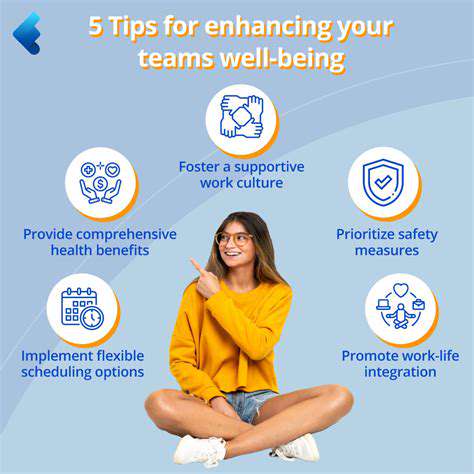
A Comprehensive GuideIn today’s evolving work landscape, fostering motivation among remote employees has become a vital concern for organizations aiming for success. Understanding the key methods to enhance employee engagement can lead to a more productive, loyal, and satisfied workforce. Below, we explore several effective strategies that can significantly boost motivation in remote settings. 1. Foster a Sense of ConnectionCreating regular touchpoints through weekly or bi-weekly meetings can help remote teams feel more connected. Conducting one-on-one video calls and team meetings encourages transparency and builds trust, making employees feel valued. Additionally, leveraging collaboration tools like Slack or Microsoft Teams enhances communication and combats feelings of isolation. Casual interactions, such as virtual coffee chats or lunch gatherings, can also foster camaraderie. 2. Set Clear Goals and ExpectationsClear, structured objectives are essential for remote employees who may struggle with feelings of isolation. Implementing the SMART goal framework can provide clarity and motivation. Regular check-ins allow for effective communication, ensuring everyone understands expectations and progress, while feedback loops further enhance engagement and motivation. 3. Provide Opportunities for Professional DevelopmentInvesting in professional development is crucial for enhancing employee motivation. Tailored development programs can address individual strengths, and leveraging digital learning tools can promote accessibility. Cross-departmental learning encourages collaboration and enhances understanding within the organization, sustaining a motivated workforce. 4. Recognize and Reward AchievementsRecognition is hugely impactful, with employees who feel appreciated showing significantly greater engagement. Utilizing virtual shout-outs and recognition platforms fosters a culture of appreciation while personalizing recognition strategies increases relevance. Combining recognition with tangible rewards can further elevate morale, prompting a more engaged workplace. 5. Promote Work-Life Balance Ensuring a healthy work-life balance is essential in remote settings. Implementing flexible working hours allows employees to manage their time effectively, contributing to higher job satisfaction. Regular breaks and promoting time off helps prevent burnout and boost creativity. Open communication about workloads supports employees in managing stress levels, ensuring a balanced environment.---Incorporating these strategies not only enhances remote employee motivation but also contributes to a high-performing organizational culture. By prioritizing connection, clarity, growth, recognition, and balance, businesses can create a more engaged and productive workforce. This holistic approach will not only benefit employees but also drive greater success for the organization.

The Evolution and Impact of Work FlexibilityIn today's rapidly changing work environment, flexibility has become a critical component of workplace culture. The concept of work flexibility has evolved significantly from its rigid origins in the early 20th century. This article explores the historical context, the role of technology, and the numerous benefits and challenges associated with flexible work arrangements. Historical Context of Work FlexibilityOriginally, the structured labor of the early 1900s focused on productivity metrics, with little regard for employee well-being. However, as technology advanced, perspectives shifted. By the late 20th century, remote connectivity began to reshape traditional work patterns, prompting businesses to explore more adaptable work arrangements. The Role of Technology in FlexibilityModern communication technologies have been pivotal in facilitating flexible working environments. With tools like video conferencing and cloud platforms, employees can work from virtually anywhere and prioritize outcomes over the hours logged. A 2021 survey revealed that 70% of employees favor the continuation of remote flexibility beyond the pandemic, highlighting tech's essential role in modern work culture. Benefits of Flexibility on Employee MotivationFlexible work schedules significantly improve work-life balance and employee motivation. Employees can manage personal commitments alongside their professional lives, leading to higher job satisfaction and lower burnout rates. Studies indicate a direct correlation between flexible options and increased employee engagement, making flexibility a vital strategy for organizational effectiveness. Challenges in Implementing FlexibilityDespite its benefits, flexibility presents challenges, such as potential communication barriers and a risk of employee isolation. Organizations must evaluate job roles to ensure equitable access to flexibility and develop strategic policies that maintain team cohesion. The Future of Work FlexibilityThe shift towards hybrid work models—integrating remote and in-office work—is becoming increasingly popular. According to a McKinsey report, nearly half of employees prefer this approach. Organizations should monitor the impact of hybrid models on productivity and employee satisfaction, continuously adapting to meet evolving workforce needs. Measuring the Impact of Work FlexibilityTo evaluate flexibility's impact on employee motivation, organizations need to utilize measurable metrics. Surveys, performance analysis, and retention rates are essential tools for understanding the effectiveness of flexible policies. Personal Insights and RecommendationsAs companies consider adopting flexible arrangements, it’s crucial to involve employees in policy creation. By promoting openness and demonstrating trust, organizations can harness the motivational benefits of flexibility. Leaders should model flexible practices themselves, fostering a culture of inclusivity that encourages employee engagement. ConclusionWork flexibility is not just a trend but a necessity in modern workplaces. As organizations adapt to new work paradigms, embracing and implementing flexibility strategies can enhance productivity, job satisfaction, and retention. The future of work hinges on finding the balance between flexibility and effectiveness, ensuring that all employees can thrive in their roles.

Techniques for Enhanced ProductivityAchieving effective time management is crucial for maximizing productivity, minimizing stress, and enhancing work-life balance. Understanding key techniques can empower individuals and teams to work smarter, not harder. Importance of PrioritizationPrioritizing tasks is fundamental for effective time management. Utilizing methods like the Eisenhower Matrix can help distinguish between what is urgent and what is important, enabling individuals to focus on tasks that truly advance their goals. Research shows that proper prioritization can lead to a significant increase in productivity—up to 25%—by reducing stress and clarifying objectives. Crafting a daily or weekly priority list is a practical step in organizing work. Setting SMART GoalsEmploying the SMART criteria for goal-setting—Specific, Measurable, Achievable, Relevant, and Time-bound—provides a clear roadmap for success. Studies highlight that those who document their goals and share them with peers tend to achieve higher success rates. Frequent progress monitoring can maintain motivation and ensure adaptability. Leveraging TechnologyWith the rise of digital tools, technology can be a powerful ally in time management. Applications like Trello and Asana help with task management and collaboration, while time-tracking software allows professionals to analyze their work habits. Reports suggest that professionals spend about 50% of their time on unproductive tasks. Streamlining productivity through these applications can yield remarkable efficiency gains. Importance of Breaks and FlexibilityResearch indicates that taking regular breaks can significantly boost productivity. Techniques such as the Pomodoro Technique advocate for short work sessions followed by breaks, enhancing focus and creativity. Implementing structured break times can prevent burnout and maintain high performance. Moreover, promoting flexible work hours helps employees manage their schedules, improving job satisfaction and productivity. Encouraging Open Communication and a Healthy Work EnvironmentCreating a culture of open communication within a company fosters engagement and collaboration. Organizations that prioritize transparency can see up to a 25% increase in project success rates. Furthermore, investing in employee wellness programs can yield impressive returns, with studies showing a $3 ROI for every dollar spent. Fostering Employee DevelopmentIdentifying skills gaps through assessments allows companies to implement tailored training programs that boost employee engagement and productivity. Encouraging continuous learning through access to courses and mentoring strengthens team dynamics and innovation. Regular evaluation of training effectiveness ensures that resources are maximized and relevant to today’s fast-paced business landscape. ConclusionImplementing these time management techniques can transform your approach to work, helping you excel in both personal and professional life. By prioritizing tasks, setting clear goals, leveraging technology, incorporating breaks, fostering open communication, and investing in employee development, you can enhance productivity and cultivate a fulfilling work environment. It's time to take charge of your time and maximize your effectiveness!

Specific, Measurable, Achievable, Relevant, and Time-bound. Clarity in your goals not only directs your communication but also helps evaluate your initiatives. Specific outcomes, such as informing employees about new workflows, keep teams focused and aligned. Choose Effective Communication ChannelsDifferent channels serve different purposes. Utilize methods like face-to-face meetings for sensitive information and emails or newsletters for announcements. Consider your audience’s technological proficiency to ensure the selected platforms enhance the effectiveness of your messages. Create Compelling ContentEnsure your communication is clear, engaging, and jargon-free. Use visuals like charts and infographics to simplify complex concepts. Concise language makes information accessible, helping everyone grasp important updates without confusion. Establish Feedback MechanismsIncorporate ways for your audience to provide feedback. Tools such as suggestion boxes and regular check-ins facilitate open dialogue, allowing you to gauge understanding and address misinterpretations. This input improves the overall communication strategy, making employees feel valued. Monitor and Evaluate Communication EffectivenessOnce implemented, continuously monitor the impact of your communication plan. Evaluate whether you are meeting your objectives by tracking metrics such as employee engagement and satisfaction. Be ready to adapt your strategy based on feedback and success rates to enhance organizational productivity. Reinforce Key MessagesRepetition is key to ensuring important messages stick. Regular follow-ups can reinforce critical information and maintain clarity. Utilize various formats—visual reminders, emails, or quick meetings—to continuously highlight essential changes and goals. Invest in Training and Support Implement Comprehensive Training ProgramsEquip employees with the skills necessary to adapt to change. Tailor training programs such as workshops or online courses to meet specific needs and align with organizational goals. Ongoing support, including mentorship programs, bolsters can-do attitudes and keeps morale high. Provide Ongoing Support and ResourcesTraining doesn’t end after initial sessions. Establish digital resources and regular check-ins to provide continuous assistance. This responsive approach helps maintain high morale and equips employees with what they need to succeed. Incorporate Employee FeedbackRegular surveys gather insights about employee experiences and concerns. Use quantitative and qualitative questions to capture a broad range of responses. Implementing a feedback loop shows employees their input is valued and can lead to meaningful changes. Measure the Impact of ChangesEvaluate changes with KPIs related to productivity and employee satisfaction. Continual feedback helps identify new areas for improvement, reinforcing a culture of continuous enhancement and adaptability. Set Realistic Objectives and MilestonesUtilize the SMART framework for goals while establishing tangible milestones to track progress. Celebrating small wins fosters a positive atmosphere and motivates employees during transitions. Keep communication clear around these objectives to bolster engagement and mutual understanding. Encourage a Positive CultureFoster open communication, recognize contributions, and celebrate achievements to enhance morale. Encouraging employees to express their thoughts cultivates a sense of belonging and commitment, vital for a successful organizational change.

Defining Ownership in Teams for Enhanced Performance Understanding the Concept of OwnershipEffective ownership in teams is vital for creating clarity in roles and responsibilities, which drives accountability. When each member understands their specific contributions, it not only fosters commitment but also minimizes task overlap. Research by the Institute for Corporate Productivity reveals that teams with well-defined ownership structures can boost productivity by up to 30%. This article explores the concept of ownership in teams, its benefits, implementation strategies, challenges, and case studies from high-performing organizations. The Benefits of Clear OwnershipClear ownership within a team leads to numerous advantages. It reduces conflicts by defining individual responsibilities, preventing tasks from falling through the cracks. This clarity enhances job satisfaction and improves performance metrics, as demonstrated in a study from the Journal of Organizational Behavior that showed better project completion rates in teams with defined roles. Implementation Strategies for Establishing OwnershipTo cultivate a robust ownership model, teams should begin by assessing individual strengths and capabilities. Documenting roles through a project charter or responsibility matrix is essential, providing a reference for all team members. Regular check-ins can reinforce ownership by enabling members to share progress and challenges, fostering an environment of accountability. Challenges in Defining OwnershipDefining ownership can pose challenges, particularly in dynamic work settings where roles may overlap. Resistance from team members can complicate the establishment of clear roles, leading to stress and reduced morale. Research indicates that ambiguity can hinder performance, so approaching ownership definition collaboratively is imperative. Case Studies on Ownership in High-Performing TeamsOrganizations like Google and Spotify exemplify successful ownership models. Google's Objectives and Key Results method promotes collaborative goal-setting, enhancing interdisciplinary communication. Similarly, Spotify's squad model empowers self-organized teams, allowing for swift project cycles and greater employee satisfaction. The Future of Ownership in Team DynamicsEmbracing technology will be crucial as remote work continues to shape team dynamics. Flexible ownership models that adapt to evolving challenges can help teams maintain clarity and high performance. Improving Accountability and PerformanceEstablishing clear roles is foundational for teamwork. A 2020 study finds that organizations with defined roles see a 20% higher success rate in projects. Regular performance reviews and open communication can significantly improve accountability and contribute to team dynamics. Facilitating Better CommunicationUnderstanding team dynamics is vital for effective communication. Tools like the RACI matrix can clarify roles, while digital platforms such as Slack and Microsoft Teams foster real-time interaction. Enabling Enhanced Collaboration and InnovationClear ownership promotes collaboration by laying out individual responsibilities. Studies show that defined roles lead to a 25% productivity increase, while fostering trust allows teams to share ideas and tackle challenges more effectively. Building Trust and Morale Within TeamsClearly defined roles and open communication enhance trust among team members. Teams that prioritize these aspects not only meet performance goals but also create an environment conducive to feedback and growth.In conclusion, defining ownership within teams is critical for accountability, performance, and innovative collaboration. Implementing strategies to establish clear roles and maintaining open lines of communication will enhance team dynamics in any organization.
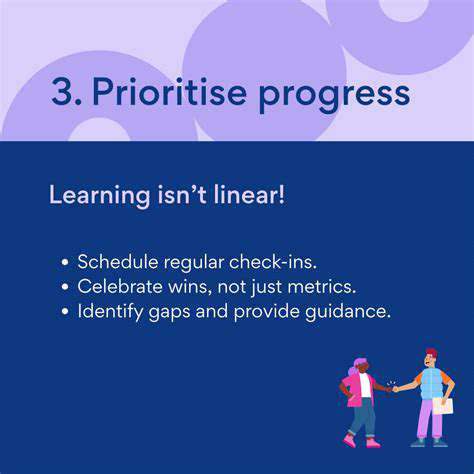
Enhance Remote Team Communication for Productivity and CollaborationIn today's digital workspace, establishing effective communication strategies is vital for remote teams' success. Here are key methods to bolster communication, foster collaboration, and maintain accountability among team members. 1. Open Lines of CommunicationUnderstanding the right tools for communication is crucial. Instant messaging platforms like Slack or Microsoft Teams, and video conferencing tools such as Zoom and Google Meet can significantly enhance dialogue. Leaders should invest time in learning these tools to create an environment fostering engagement and clarity. 2. Structured Communication ScheduleImplementing a regular communication schedule through daily check-ins, weekly team meetings, and bi-weekly one-on-ones cultivates accountability and keeps team members aligned. This routine mirrors in-office expectations and enhances a sense of connection, crucial for remote settings. 3. Encouraging Open FeedbackFostering a culture of open feedback is essential. Leaders should provide anonymous channels for team members to express opinions and concerns, thereby boosting trust and morale. Actively seeking feedback post-meetings can lead to valuable insights into team dynamics, promoting collaboration and productivity. 4. Clear Expectations and GuidelinesEstablishing clear guidelines on performance and communication protocols is vital in preventing misunderstandings. Leaders should document expectations so that each team member is aware of their roles and responsibilities, ensuring smoother collaboration. 5. Leveraging Collaborative ToolsIntegrating collaborative tools such as Trello and Asana into daily workflows allows teams to track project statuses and responsibilities transparently. Regular updates within these platforms help maintain engagement and accountability among team members. 6. Empathetic CommunicationAdopting an empathetic approach is crucial, especially in remote setups. Leaders should check in on individual well-being to demonstrate care and flexibility, enhancing team loyalty and morale. Understanding team members' workloads fosters a positive working atmosphere. 7. Monitoring and Adjusting StrategiesRegularly assessing communication strategies ensures their effectiveness. Solicit feedback from team members about what works and adapt as necessary to demonstrate commitment to continuous improvement. 8. Importance of Written DocumentationDocumentation serves as a critical reference point in remote settings, aligning team members on goals and responsibilities. Clear documentation mitigates misalignments and drives productivity by providing a common understanding. 9. Training and OnboardingUse documentation as a critical tool during training and onboarding. A detailed onboarding manual that outlines company culture and job-specific tasks can significantly shorten the ramp-up time for new hires. 10. Setting SMART GoalsImplementing the SMART (Specific, Measurable, Achievable, Relevant, Time-bound) framework helps team members clarify objectives and track progress. Regular check-ins regarding these goals keep everyone aligned and motivated, further enhancing accountability. 11. Regular Check-Ins and Feedback SessionsStructured feedback sessions are essential for maintaining accountability. Leaders should provide clear and constructive feedback, balancing praise and areas for improvement, fostering an environment conducive to growth. 12. Leveraging TechnologyTechnology underpins effective communication in remote teams. Utilizing tools for transparency and accountability, like Slack and Asana, significantly enhances productivity. Regular check-ins supported by data analytics can provide insights into team dynamics, further refining communication practices.By implementing these strategies, leaders can enhance communication, promote collaboration, and drive productivity within remote teams, ultimately leading to a more engaged and efficient workforce.

Symptoms, Prevention, and the Role of Flexible Work Arrangements Recognizing Symptoms of Employee BurnoutEmployee burnout manifests in various ways, significantly impacting both mental and physical health in the workplace. Key emotional signs include emotional exhaustion and cynicism. Employees often feel drained and disengaged, with studies indicating that up to 40% report feeling emotionally spent after long working hours. Chronic fatigue, sleep disturbances, and changes in appetite further illustrate the physical toll of burnout, with data showing that employees experiencing burnout are 2.7 times more likely to report health-related absenteeism.Behavioral changes can also signal burnout. Increased absenteeism, declining productivity, and social withdrawal often pose red flags for management. Organizations must prioritize an environment of open communication to detect these signs early and implement supportive interventions. Implementing Flexible Work ArrangementsFlexible work arrangements present one effective solution to combat burnout. Options like remote work, flextime, and compressed workweeks have shown to improve job satisfaction by 20% and reduce turnover rates. Research from Stanford University reveals that remote workers are 13% more productive due to minimized distractions and the opportunity to work during peak hours. However, to fully realize these benefits, organizations must address potential challenges such as maintaining effective communication and measuring productivity. Setting Realistic Goals and DeadlinesSetting realistic goals is crucial for preventing burnout. Studies emphasize that clarity in objectives boosts performance while lowering stress. Utilizing the SMART criteria—Specific, Measurable, Achievable, Relevant, and Time-bound—can aid teams in establishing structured yet flexible deadlines. This approach enhances engagement and fosters a healthier work culture that prioritizes employee well-being. Encouraging Breaks and Time OffBreaks are vital for sustaining productivity. Research shows that employees who take regular breaks can increase their productivity by 40%. Scheduled time off plays a comparable role in enhancing job satisfaction and reducing stress. Employers must cultivate a break-friendly culture, encouraging regular downtime while also providing tools and resources that support this need. Strategies like mandatory breaks and remote work flexibility significantly contribute to employee wellness. Fostering a Supportive Team EnvironmentCreating an effective and supportive team dynamic is fundamental to employee health. Studies indicate that open communication is essential; poor communication contributes to project failures in over 50% of cases. Implementing support systems such as peer mentorship programs and professional development workshops can also reduce burnout risks. Promoting work-life balance through flexible arrangements and encouraging regular time off further enhances overall employee satisfaction.Conclusion: Proactive measures such as recognizing burnout symptoms, adopting flexible work models, setting realistic goals, encouraging breaks, and fostering a team-oriented culture can significantly improve employee well-being and productivity. By placing emphasis on mental health, organizations not only protect their workforce but also enhance their overall performance.
1. Increased Employee Engagement: Employees who understand how their work contributes to larger company goals are more likely to feel connected and committed. This connection enhances collaboration and fosters a culture of innovation. 2. Improved Accountability: A clearly defined set of outcomes makes it easier to measure performance. This accountability encourages individuals to own their responsibilities, leading to higher productivity and efficiency.3. Alignment with Organizational Goals: Effective communication of goals promotes transparency, ensuring every employee understands their role within the larger strategy. When leaders actively engage their teams, they create a united front working towards common objectives. Challenges in ImplementationTransitioning to an outcome-oriented work culture is not without challenges. Many employees may initially resist shifting from traditional task-oriented methods. To successfully implement this culture, management must communicate the benefits clearly and support employees through training and resources. Discrepancies in understanding desired outcomes can also create misalignment, leading to frustration. Leadership must establish strong communication pathways to minimize conflicts. Strategies for Cultivating This CultureDeveloping an effective outcome-oriented work culture requires strategic planning:- Set Clear, Measurable Goals: Utilize SMART criteria (Specific, Measurable, Achievable, Relevant, Time-bound) to ensure clear expectations. - Leverage Technology: Utilize data analytics to track performance and foster transparency, which enhances trust among team members. - Encourage Regular Feedback: Continuous communication helps maintain engagement. Regular check-ins and feedback sessions allow employees to voice their ideas, leading to a more cohesive team environment.- Recognize Contributions: Acknowledging and rewarding employee contributions towards outcomes boosts motivation and commitment to the organization. ConclusionIn the ongoing evolution of workplace cultures, prioritizing an outcome-oriented approach is essential for enhancing employee engagement, satisfaction, and overall organizational success. By fostering an environment centered on measurable results, collaboration, and ongoing support, companies can create a dynamic workplace that empowers employees and drives business excellence.For more insights on adopting an outcome-oriented work culture and optimizing employee engagement, explore our deeper resources linked throughout this article.

Defining Accountability in Remote WorkIn today's digital age, accountability in remote work environments plays a crucial role in enhancing productivity and team dynamics. Accountability refers to the obligation of employees to report and be answerable for their actions. When team members understand their responsibilities and own their tasks, overall efficiency significantly improves. The Core of AccountabilityResearch indicates that accountable employees are 30% more likely to exceed performance expectations. By setting clear and measurable responsibilities, organizations can streamline workflows and cultivate a culture of ownership and responsibility. Utilizing frameworks like SMART (Specific, Measurable, Achievable, Relevant, Time-bound) can establish well-defined expectations, ensuring all members are aligned with team objectives. Importance of Effective CommunicationCommunication is vital in maintaining accountability within remote teams. Regular updates through platforms such as Slack and Zoom keep everyone informed about project progress and areas needing attention. Encouraging open dialogues during virtual meetings fosters a culture of transparency, enhancing engagement and team cohesion. Tracking Performance MetricsImplementing performance metrics is essential for assessing accountability. Key Performance Indicators (KPIs) help objectively measure output by analyzing completed tasks, meeting deadlines, and maintaining quality standards. Utilizing tools like Trello or Asana can provide visibility into workloads, allowing managers to proactively address concerns and enhance accountability across the team. Empowering EmployeesEmpowerment is pivotal for fostering accountability. By providing team members with autonomy, they are more likely to take responsibility for their outcomes. Encouraging self-management and decision-making can elevate job satisfaction and motivate individuals to thrive within their roles. Recognizing and Rewarding AccountabilityRecognition is a powerful motivator in promoting accountable behavior. Acknowledging achievements, whether through shoutouts in meetings or rewards for outstanding performance, encourages employees to maintain high standards of responsibility. Implementing structured recognition programs fosters morale and reinforces behaviors contributing to an accountable workplace. Continuous Learning and DevelopmentFostering a culture of continuous learning is vital for sustaining accountability. Providing training sessions and workshops helps employees acquire new skills and improve their performance over time. Encouraging open feedback loops allows for ongoing growth, ensuring that teams remain resilient and committed to collective objectives. Implementing Clear Communication ChannelsEstablishing protocols for routine updates is essential in remote work. Regular check-ins can promote collective accountability, reducing feelings of isolation and ensuring everyone stays on the same page. Leveraging technology for real-time communication enhances the effectiveness of feedback and fosters an environment of collaboration. Measuring Goal AchievementSetting measurable goals is crucial for accountability in remote teams. Regularly tracking progress through project management tools creates opportunities for recognition and motivation among team members. Flexibility in adapting goals as circumstances change ensures continuous engagement and commitment to achieving objectives. Encouraging a Feedback CultureA culture of feedback is fundamental in fostering accountability. Regular feedback loops through structured check-ins not only enhance team performance but also reinforce a sense of community among employees. Leaders should be trained in providing effective feedback that inspires improvement and fosters an environment where accountability thrives. Building Trust and OpennessTrust is a cornerstone of accountability in remote settings. Employers should cultivate an environment where employees feel safe to share their challenges and successes. Transparent communication practices encourage accountability, reinforcing a culture where every team member feels valued and responsible.By implementing these strategies, organizations can significantly improve accountability in remote work settings, ultimately leading to higher productivity and employee satisfaction.
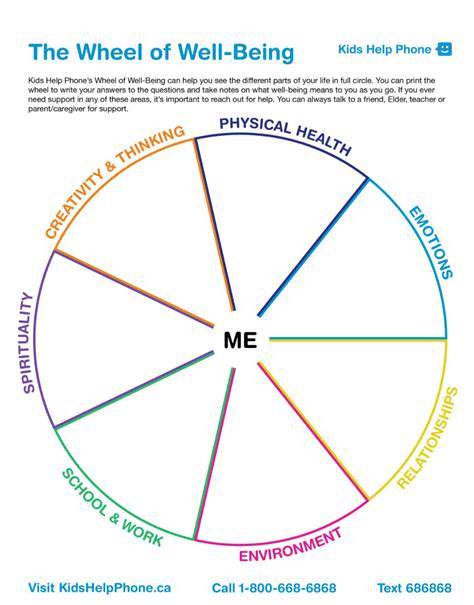
- Regular feedback sessions to foster constructive criticism.- Utilizing anonymous suggestion boxes for candid input.- Encouraging team-building activities that promote honest discussions.- Implementing an open-door policy for accessible management.Training programs centered on effective communication techniques, active listening, and conflict resolution are essential for empowering staff and creating a shared understanding within teams. Addressing Barriers to CommunicationLeaders must identify and dismantle barriers that inhibit open communication, such as fear of reprisal or hierarchical structures. Encouraging discussion about these challenges helps to unearth underlying issues, allowing for the cultivation of a more communicative environment. Emphasizing Employee Well-BeingEmployee well-being is crucial for creating an atmosphere where team members can thrive. Companies with high employee well-being boast 41% fewer absentee days, emphasizing the importance of supportive workplace practices. Organizations can enhance well-being through:- Flexible work arrangements that support work-life balance.- Investment in mental health resources and training.- Opportunities for professional growth tailored to employee needs. Recognizing and Rewarding AchievementsRecognition enhances engagement and can increase profitability by 21%. Companies should implement recognition programs, both formal (like Employee of the Month) and informal (verbal praise), to foster a culture that appreciates contributions. Acknowledging achievements not only boosts morale but presents opportunities for collaboration and teamwork. Fostering Team CollaborationEffective team collaboration can enhance productivity by up to 25%. Organizations should implement tools like Slack and Microsoft Teams to improve communication and foster a collaborative culture. Regular feedback, social interactions through team-building activities, and clear definitions of roles ensure that teams function smoothly and effectively. Measuring Success in Communication and Well-Being InitiativesTo ascertain the effectiveness of open communication and employee well-being initiatives, organizations must track key performance indicators (KPIs) related to employee engagement, productivity, and satisfaction. Conducting surveys and holding focus groups can provide valuable insights into employee sentiment and the overall effectiveness of communication strategies. ConclusionBy creating an environment that emphasizes open communication, recognizes achievements, and prioritizes employee well-being, organizations can cultivate a productive, collaborative, and thriving workplace. This holistic approach to management not only enhances team morale but ensures sustainability and success in today’s competitive landscape.

The Importance of Trust in Remote TeamsRemote teams face unique challenges that can hinder collaboration and productivity. Central to overcoming these challenges is the concept of trust. Trust in remote environments refers to the belief in the reliability, integrity, and competence of team members. Establishing trust not only enhances communication but also creates a culture of transparency essential for effective teamwork. Building Trust Through Effective CommunicationTo build trust, regular updates and open feedback loops are crucial. Effective communication helps team members feel engaged and connected. Utilizing diverse communication tools—like video conferencing and instant messaging—improves interaction, fostering relationships and encouraging a collaborative spirit. Research shows that organizations adopting multiple communication platforms experience a boost in productivity. Clear Roles and ResponsibilitiesDefining roles and responsibilities within remote teams is vital. When members understand their specific duties, it reduces ambiguity and promotes accountability. Clear expectations help minimize conflicts and foster a sense of belonging, ensuring everyone is aligned with team objectives. Cultivating a Feedback CultureCreating an environment rich in feedback is essential for trust-building. Team members should not only feel comfortable sharing constructive critiques but also receiving them. Regular feedback, both formal and informal, can enhance individual performance while also strengthening bonds among colleagues. Team-Building ActivitiesDespite the distance, integrating team-building activities into the remote workplace is crucial. Virtual coffee breaks, game nights, and interest-based clubs allow team members to connect personally, reinforcing relationships that translate into professional collaboration. Utilizing Trust-Building FrameworksImplementing structured frameworks for trust such as the Trust Equation can provide remote teams with a roadmap to enhance their dynamics. Regular reviews of trust levels allow teams to assess their progress and make adjustments as needed. Measuring Trust and Its ImpactMeasuring trust within remote teams is essential for understanding its influence on productivity and morale. Surveys provide insights into team dynamics and can highlight strengths and areas for improvement.As organizations increasingly transition to remote or hybrid work models, establishing and enhancing trust amongst remote teams becomes crucial. It not only boosts individual performance but also uplifts the overall cohesion and success of the entire organization.---In addition to trust, clear communication is imperative in a remote work environment. Effective tools and regular check-ins can significantly enhance productivity and engagement. Encourage a culture of open feedback and ensure inclusivity in communication to cultivate stronger relationships among team members.Finally, recognizing and celebrating achievements can greatly influence team morale. Establishing milestone indicators and utilizing technology can facilitate a vibrant culture of recognition that motivates team members and fosters a feeling of valuing contributions. By prioritizing trust, communication, and recognition, organizations can thrive in the remote work landscape.

Top Strategies for SuccessIn today's digital age, effective communication and collaboration are crucial for remote teams. From leveraging reliable communication tools to fostering inclusivity, this guide delves into the best practices for enhancing interactions among team members who work from different locations. Whether you manage a small team or a large organization, these strategies will help you build strong relationships and improve overall productivity. 1. Prioritize Communication Tools and PracticesChoosing the right communication tools is fundamental. Platforms like Zoom for video calls and Slack for messaging facilitate seamless conversations, promoting real-time engagement. Additionally, project management applications like Asana or Trello streamline collaboration and enhance project transparency. Establishing clear communication norms ensures everyone is on the same page, reducing confusion and improving team efficiency. 2. Foster a Culture of InclusivityInclusivity isn't just a buzzword; it directly impacts team dynamics and productivity. Research shows that diverse teams can outperform their less inclusive counterparts. Regular one-on-one check-ins can help team members feel valued and included. Incorporating team-building activities and encouraging personal sharing fosters a sense of belonging, strengthening relationships. 3. Leverage Team Building ActivitiesEngaging virtual icebreakers and team-building games are excellent for promoting camaraderie. Activities such as trivia games or online escape rooms encourage collaboration and communication. Mixing professional development with team activities enhances skills while building stronger bonds among members. 4. Celebrate Achievements TogetherRecognizing team achievements boosts morale and fosters a sense of connection. Celebrating milestones through virtual award ceremonies or shout-out boards ensures that everyone feels appreciated. Gamification elements, like points systems, further enhance engagement in recognition initiatives. 5. Encourage Professional Growth and DevelopmentInvesting in professional development is vital for team success. Organizations that prioritize employee growth see improved productivity. Structured learning programs, knowledge-sharing platforms, and external resources all play a role in enhancing team skills and capabilities.These strategies not only facilitate better communication but also create an inclusive, engaging remote work environment. By implementing these practices, your team will thrive, allowing for greater collaboration and success in accomplishing shared goals.

*quantitative* and *qualitative*. Quantitative KPIs involve numerical data such as sales figures and production efficiency, offering straightforward analysis. In contrast, qualitative KPIs focus on attributes like employee satisfaction, which helps contextualize the health of your business. Implementing SMART MetricsSetting SMART (Specific, Measurable, Achievable, Relevant, Time-bound) goals is crucial when establishing KPIs. Specific metrics clarify goals, while measurable indicators allow for ongoing assessment and timely adjustments in strategy. This structured approach fosters clarity and focus, increasing the likelihood of achieving your objectives. Overcoming KPI ChallengesDefining and measuring KPIs come with challenges, such as ambiguity and data overload. Ensuring all team leaders comprehend strategic priorities prevents misalignment. Organizations should prioritize relevant indicators to avoid analysis paralysis, and regular training can help teams focus on KPIs that drive value. Best Practices for KPI ImplementationFostering a culture of accountability by involving team members in the KPI-setting process enhances engagement and diverse perspectives. Regular reviews of KPIs ensure alignment with evolving goals, while leveraging technology streamlines data collection and analysis, making performance tracking more efficient. Leveraging Technology for TransparencyUsing data analytics tools like Tableau or Microsoft Power BI can enhance performance transparency by providing real-time insights into KPIs. Collaborative platforms such as Slack or Microsoft Teams facilitate effective communication, ensuring everyone is aligned with performance expectations. Establishing Regular Check-insRegular check-ins with team members cultivate accountability and engagement. Setting a consistent schedule enables managers to assess progress and discuss ongoing projects. These interactions enhance transparency and foster team cohesion, crucial for remote work environments. Aligning Metrics with Company ObjectivesUnderstanding your company’s objectives is vital for establishing relevant KPIs. Regular meetings to review these objectives and encourage dialogue can lead to a more unified approach to performance metrics, driving organizational success. Encouraging a Culture of Continuous ImprovementCreating a culture of continuous improvement enhances operational efficiency. Clear performance metrics guide employees, while regular reviews and feedback loops foster engagement and ownership. By promoting a feedback-friendly environment, organizations can ensure everyone contributes to continuous advancement.For more insights on KPI strategies and best practices, explore our comprehensive guide. Embrace the power of KPIs to boost your organization's performance and achieve long-term success.

Exploring Reflexology as a Therapy for Better Sleep
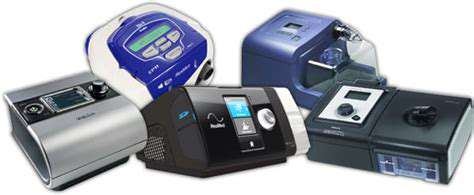
Using CPAP with COVID: Safety Tips for Sleep Apnea Patients

Laser Treatments for Sleep Apnea: What You Should Know