How to Build Motivation in Remote Employees
Jan 09, 2026 / zsfcdn103/
Outline
Foster connections with remote employees through regular check-ins and meetings.
Use collaboration tools like Slack and Microsoft Teams for effective communication.
Set clear goals to enhance motivation and accountability for remote workers.
Implement the SMART framework for structured goal setting in remote teams.
Provide regular feedback to employees to reinforce objectives and enhance engagement.
Align personal and team goals to boost motivation and engagement across the organization.
Offer professional development opportunities to retain engaged and motivated remote workers.
Create tailored development programs to meet individual employee needs.
Encourage mentorship to enhance professional growth and strengthen team bonds.
Recognize and reward employee achievements to boost morale and motivation.
Implement flexible working hours to support work-life balance for remote employees.
Encourage regular breaks and time off to maintain employee well-being and productivity.
Promote mental health resources to support employee well-being in remote settings.
1. Foster a Sense of Connection
1. Create Regular Touchpoints
Conducting Regular Check-Ins is an excellent way to maintain connections with remote employees. By scheduling weekly or bi-weekly meetings, you can discuss projects, address concerns, and evaluate performance. A study from Gallup indicates that employees who have regular interactions with their managers are more engaged, leading to increased productivity. This consistent communication allows remote workers to feel valued and informed.
These touchpoints can take various forms, such as one-on-one video calls, group team meetings, or informal virtual coffee chats. Encouraging open dialogue during these sessions helps employees express their thoughts and feelings. It's essential to cultivate a safe environment where they feel comfortable sharing feedback and concerns, thus creating a culture of transparency and trust.
2. Leverage Collaboration Tools Effectively
Utilizing collaboration software like Slack or Microsoft Teams can enhance connection among remote employees. These platforms allow quick and easy communication, streamlining workflows. According to a survey by Buffer, 20% of remote workers struggle with loneliness, making it vital to foster connections through tools that facilitate teamwork. Consider using channels for specific projects or interests, allowing employees to engage with colleagues who share similar goals or hobbies.
To maximize the effectiveness of these tools, organizations should provide training. Employees need to be familiar with the features that encourage group interaction, such as file sharing, video conferencing, and discussion forums. Regular training sessions can improve overall engagement and ensure that employees feel supported within a digital workspace.
In addition to professional channels, create space for casual conversations. Virtual lunch gatherings, happy hours, or informal game sessions can encourage employees to interact beyond work-related topics, fostering camaraderie and deeper connections. Such personalized activities can significantly enhance team morale and help in reducing feelings of isolation that remote employees may experience.
2. Set Clear Goals and Expectations
Understanding the Importance of Goal Setting
Setting clear goals is essential in any work environment, but it becomes even more critical in remote settings where physical interactions are limited. According to research by the American Psychological Association, employees who set specific, measurable goals are 10 times more likely to achieve performance targets than those who do not outline their intentions. This statistic underscores that clarity drives motivation and accountability.
Remote employees may struggle with feelings of isolation, making it vital to create structured objectives. Clear goals not only provide direction but also serve as a source of reassurance. When team members know what is expected of them, they can focus on their tasks without the anxiety of uncertainty. In remote teams, this sense of purpose is fundamental for maintaining engagement and productivity.
Creating SMART Goals
The SMART Framework—Specific, Measurable, Achievable, Relevant, and Time-bound—provides a great approach to goal setting. Specificity means defining the 'who, what, where, when, and why' of the goal. For instance, rather than saying, Improve sales, a SMART goal would be, Increase sales of Product A by 15% in Q2 through targeted email campaigns. This level of detail drives motivation since employees clearly see their target.
Each component of the SMART framework contributes to overall achievement. Measurable goals help track progress, while achievable goals ensure that objectives are realistic considering the available resources. Relevant goals align with broader company objectives, keeping employees connected to the organization’s mission. Setting a deadline (time-bound) fosters urgency, which can elevate motivation levels.
Communicating Expectations Effectively
Effective communication of expectations is critical for remote teams. It's not just about stating the objectives but also about ensuring that all remote employees understand them thoroughly. Regular check-ins via video calls can be an effective way to convey expectations and address any misunderstandings. This practice helps in creating a more connected atmosphere despite physical distances.
Incorporating Feedback Loops
Setting clear goals involves establishing feedback loops. Employees should regularly receive constructive feedback, which reinforces the objectives they are working towards. For example, if an employee meets a specific target, acknowledging that achievement not only boosts morale but also enhances their motivation to pursue future goals. In a remote work context, such feedback can be delivered through structured performance reviews or informal catch-ups.
Furthermore, leveraging tools for real-time feedback such as project management software can foster a culture of continuous improvement. These platforms allow for transparent communication and provide opportunities for team members to discuss their progress openly, cultivating a more engaging work environment.
Aligning Personal and Organizational Goals
It's important to align individual goals with organizational objectives to maintain motivation levels in remote workers. When employees see that their personal ambitions contribute to the company's success, they are more likely to feel motivated. Team leaders should encourage employees to set personal development goals that coincide with company objectives, fostering a shared sense of purpose.
Additionally, involving employees in the goal-setting process can lead to greater ownership of these objectives. When team members feel that they have a say in shaping their responsibilities, they are likely to feel more invested in their work and engaged in the company's vision.
This alignment can be supplemented with opportunities for Professional Development such as workshops or training sessions that help employees acquire skills that benefit both them and the organization as a whole. This dual focus creates a win-win scenario for both parties.
Monitoring Progress and Adjusting Goals
Lastly, it is essential for leaders to monitor progress towards goals and make adjustments as necessary. Flexibility is key in remote work settings where unexpected challenges may arise. Regular performance evaluations can help determine whether the set goals are still relevant or need recalibration. Tools like Gantt charts can assist teams in visualizing their progress and re-aligning their focus as needed.
Encourage a culture where revisiting goals is viewed as a positive, adaptive strategy rather than a lack of commitment. This approach helps maintain motivation levels, as remote employees will feel supported in their efforts and less fearful of failure.
3. Provide Opportunities for Professional Development

Understanding the Importance of Professional Development
Providing opportunities for professional development is essential for enhancing Employee Motivation and productivity. Research shows that employees who engage in continuous learning are more likely to stay committed to their organizations. They feel valued and see a clear path for growth. This is especially critical in remote work settings where personal interactions are limited.
Moreover, businesses that invest in their employees’ development often witness higher levels of engagement and lower turnover rates. Employees seek roles in organizations that prioritize learning and career advancement; thus, establishing this culture can substantially increase your employer brand.
Crafting Tailored Development Programs
Each employee has unique needs and aspirations, which calls for Tailored Development Programs. Conducting initial assessments can help identify individual strengths and areas for growth. This data can inform personalized training plans that align with both the employee's career goals and the organization’s objectives.
- Identify skill gaps through surveys or one-on-one discussions.
- Develop a mix of training formats such as workshops, online courses, or mentorships.
- Review and adjust programs regularly based on feedback and outcomes.
Programs tailored to individual needs not only boost skill sets but also foster a culture of personal investment, making employees feel recognized.
Leveraging Technology for Development
The digital landscape offers numerous tools for facilitating professional development in remote teams. Online learning platforms provide access to high-quality courses from reputable institutions. Additionally, project management and collaboration software can be leveraged to promote teamwork through shared learning experiences.
Technology eases accessibility, allowing employees to learn at their own pace. By offering webinars, virtual workshops, and collaborative tools, organizations can create a dynamic learning environment that nurtures growth and innovation.
Encouraging Cross-Departmental Learning
Encouraging employees to explore learning opportunities beyond their immediate roles can create a more versatile workforce. Cross-departmental training can enhance collaboration and foster a greater understanding of the organization's operations as a whole. This mutual support leads to stronger relationships and a more cohesive team dynamic.
Emphasizing the value of diverse skill sets can also empower employees to share knowledge, resulting in a more inclusive and effective work environment.
Providing Regular Feedback and Assessment
To ensure professional development efforts are effective, regular feedback is essential. Constructive feedback helps employees understand where they stand and how they can improve. Implementing quarterly reviews can provide a structured approach to discussing progress and recalibrating development goals.
Furthermore, recognizing achievements and milestones fosters a culture of continuous improvement and motivates employees to pursue further development opportunities.
Incorporating Mentorship and Coaching
Establishing mentorship or coaching programs can greatly enhance the professional development experience for remote employees. Pairing less experienced employees with seasoned mentors encourages knowledge transfer and offers valuable insights into company culture and best practices.
Mentorship not only aids personal growth but also strengthens the connection between employees, leading to a supportive network that enhances motivation and engagement.
Measuring Success and Adapting Strategies
Finally, measuring the success of development initiatives is crucial. Organizations should define Key Performance Indicators (KPIs) that align with their development goals. Surveys and assessments can provide data on employee satisfaction and engagement levels related to development opportunities.
Using this data to refine and adapt strategies ensures that professional development programs remain relevant and effective. Organizations should aim for continuous improvement to maintain motivation and productivity among remote employees.
4. Recognize and Reward Achievements
Understanding the Importance of Recognition
Recognizing achievements in a remote setting is vital for maintaining employee motivation. Studies have shown that employees who feel appreciated are 60% more engaged in their work. Recognition boosts morale and reinforces positive behavior, encouraging remote workers to meet and exceed their objectives consistently.
The lack of face-to-face interaction in remote work can create a sense of isolation. Thus, acknowledging team members' accomplishments provides a much-needed connection and validation. It strengthens the bond within teams and fosters a culture of recognition, which is imperative in virtual workplaces.
Effective Methods for Recognition
There are numerous ways to recognize achievements in remote teams. One effective method is through virtual shout-outs in team meetings or via email. Publicly acknowledging an employee's hard work can significantly enhance their sense of value in the team.
Additionally, utilizing recognition platforms, like Bonusly or Kazoo, can streamline the acknowledgment process. Such platforms allow employees to recognize each other’s contributions in real-time, fostering a continuous culture of appreciation. Integrating these tools can significantly elevate the overall morale of remote teams.
Personalizing the Recognition Approach
Each employee has unique preferences on how they like to be recognized. Conducting surveys or one-on-one check-ins can help managers understand individual preferences. Some may prefer public acknowledgment, while others might appreciate private praise or tangible rewards.
Personalizing recognition not only demonstrates empathy but also strengthens connections between team members and management. This tailored approach often leads to enhanced motivation and productivity as employees feel that their contributions are recognized in a manner that resonates with them.
It’s also worthwhile to celebrate work anniversaries or key milestones uniquely. Simple gestures, like personalized notes or celebrating small wins, can go a long way in making remote employees feel valued.
Setting Clear Performance Goals
For recognition to be meaningful, employees need to understand what they are being recognized for. Setting clear and attainable performance goals aligns expectations and gives employees something concrete to strive for. SMART (Specific, Measurable, Achievable, Relevant, Time-bound) goals are particularly effective in this context.
Once these goals are set, ensure that achievements towards them are regularly monitored and acknowledged. This way, recognition becomes a natural byproduct of goal attainment and encourages ongoing effort in achieving set objectives.
Integrating Rewards with Recognition
Combining recognition with rewards can exponentially boost employee motivation. Consider integrating tangible rewards, such as gift cards or bonuses, alongside verbal recognition during team meetings. Research suggests that companies that successfully combine recognition with incentives will experience a 20% increase in employee productivity.
Offering non-monetary rewards, such as extra time off or opportunities for professional development, can also be very effective. Tailoring the rewards to fit the interests and aspirations of remote employees shows an understanding of their individual goals and can significantly enhance their motivation.
Creating a Recognition-rich Culture
To truly foster motivation in remote employees, creating an overarching recognition-rich culture is essential. This can be achieved by establishing norms where gratitude and acknowledgment are openly expressed among team members. Encouraging peer-to-peer recognition enhances team dynamics and builds camaraderie.
Leadership plays a crucial role in this cultural shift. Managers should model recognition behaviors and encourage teams to actively recognize each other’s efforts. This creates a positive feedback loop that reinforces recognition as a core organizational value.
Evaluating the Impact of Recognition Programs
Finally, it’s crucial to evaluate the effectiveness of your recognition strategies regularly. Gather feedback from employees about what forms of recognition resonate most. Surveys or informal check-ins can provide insight into how these initiatives affect motivation and engagement levels.
Quantitative metrics such as productivity rates and employee retention should also be analyzed. Monitoring these indicators over time can help adjust recognition programs to better suit the evolving needs of remote employees, ensuring that motivation remains high and that employees feel valued.
5. Promote Work-Life Balance
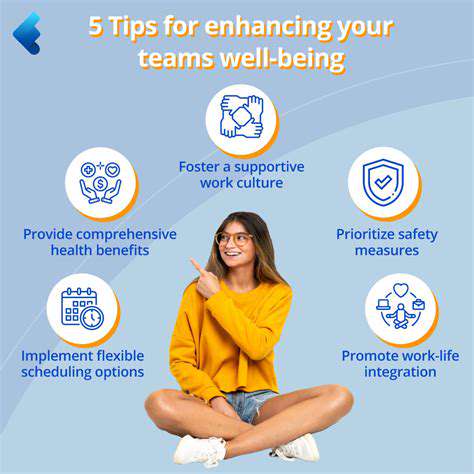
Understanding the Importance of Work-Life Balance
A healthy Work-Life Balance is critical for employee motivation, particularly in a remote environment. Research shows that employees who maintain this balance are more productive and less prone to burnout. According to a survey conducted by Buffer in 2022, 22% of remote workers reported that they struggled to maintain a work-life balance.
When employees work from home, the lines between professional responsibilities and personal time often blur. This can lead to prolonged working hours, increasing stress levels and reducing job satisfaction. Prioritizing a balanced approach can significantly improve overall employee morale and motivation.
Implementing Flexible Working Hours
One of the most effective strategies for promoting work-life balance is implementing flexible work hours. Allowing employees to set their schedules empowers them to manage their personal and professional commitments better. Flexibility can lead to increased productivity, as employees can work during their most effective hours. A study by the American Psychological Association found that employees with flexible schedules reported higher job satisfaction levels.
Additionally, by adopting flexible hours, companies can cater to the varying needs of their workforce, from parents managing childcare to individuals pursuing further education. This consideration fosters a work environment where employees feel valued and understood.
Encouraging Regular Breaks and Time Off
- Encourage employees to take scheduled breaks.
- Promote the use of vacation time to recharge.
- Implement company-wide no meeting days.
Regular breaks are vital for maintaining focus and motivation. Companies should encourage employees to step away from their screens periodically, as this helps refresh their minds and reduces fatigue. Besides, promoting the importance of taking time off is crucial. Frequent burnout is often linked to employees feeling obligated to be constantly available.
Research suggests that taking time off can lead to greater creativity and improved productivity in the long run. Employers should actively promote the use of vacation days and create a culture where time off is not only accepted but encouraged.
Fostering Open Communication About Workloads
Transparency and open communication about workloads can significantly enhance work-life balance. Managers should regularly check in with their teams to discuss project expectations and workloads. This practice allows employees to voice concerns or difficulties they might be experiencing. By addressing workload issues, employers can help prevent feelings of being overwhelmed.
Moreover, companies might consider implementing tools for workload management that provide visibility into project timelines and individual responsibilities. This can help employees prioritize tasks effectively and maintain a sustainable workload.
Promoting Mental Health Resources and Support Systems
Providing access to Mental Health Resources is essential in creating a supportive work environment. Companies can offer Employee Assistance Programs (EAPs) that provide counseling and support for employees experiencing stress or personal challenges. This accessibility can significantly impact their mental well-being and overall job motivation.
Hosting workshops or seminars on mental health topics can enhance awareness and provide employees with coping strategies. Regularly checking in on employees’ well-being can foster a culture where support is prioritized, encouraging a work-life balance that ultimately benefits the organization as a whole.