Jan 12, 2026 / zsfcdn103/
Aligning Goals with Personal Values
Your goals should not just be a checklist; they should resonate with your core values. Aligning your objectives with what truly matters to you increases the likelihood of persistence in pursuing them. For instance, if integrity is a core value, you may prioritize a goal that emphasizes ethical leadership in your professional environment. This alignment creates intrinsic motivation, which propels you forward even when challenges arise.
In contrast, pursuing goals that are at odds with your values can lead to disillusionment or burnout. A clear framework can help integrate your Personal Values into your goal-setting process and ensure you’re not only achieving results but fostering a fulfilling career path that reflects who you are.
Prioritizing Tasks Effectively
Once your goals are established, the next step is prioritizing related tasks. Tools like the Eisenhower Matrix can help categorize tasks based on urgency and importance. This approach prevents overwhelm by allowing you to focus on high-impact activities that contribute directly to your objectives. For example, significant tasks that align with your long-term goals should be performed first, while less critical tasks can be delegated or scheduled for later.
Reviewing and Adjusting Goals
Regular review of your goals is essential for keeping them relevant. Typically, a quarterly evaluation allows you to assess progress and make necessary adjustments. Changes in your professional landscape, personal life, or market demand can all necessitate a reevaluation of goals. For example, if a key market trend shifts, adjusting your learning objectives to include topics that are in higher demand can make a significant difference in your career trajectory. Organizations frequently change direction, and so should your goals.
The Importance of Accountability
Establishing a system of accountability boosts the likelihood of achieving your goals. This could include sharing your targets with a mentor or joining a goal-oriented group where members support each other. A study by the American Society of Training and Development (ASTD) reveals that you are 65% more likely to achieve a goal if you commit to another person. Accountability ensures consistent check-ins on your progress and provides encouragement during challenging moments.
Utilizing Technology for Goal Tracking
In the modern workspace, utilizing technology can streamline the process of tracking and managing your goals. Applications like Trello, Asana, and Notion offer customizable interfaces to help visualize your progress, set deadlines, and even collaborate with others. Leveraging such tools allows for real-time adjustments and facilitates communication about goals within teams. This can lead to enhanced alignment and motivation among all team members, thus increasing the overall productivity of the group.
Establish a Structured Routine
Define Your Work Blocks
To establish a structured routine, begin by defining your work blocks. This approach includes identifying specific periods during the day when you're most productive and focused. For example, research shows that individuals tend to be more alert in the morning; thus, dedicating this time to complex tasks can significantly enhance efficiency. Utilize this knowledge to schedule high-impact work tasks at these peak times.
It's also essential to consider the duration of each work block. Many productivity experts recommend working in focused bursts of 25 to 90 minutes, followed by short breaks. This not only helps maintain concentration but also prevents burnout. By planning your day around these intervals, you can enhance your overall productivity without overwhelming yourself.
Moreover, don't forget to be flexible. Sometimes, unexpected events can disrupt your schedule. Adaptability is crucial in maintaining a structured routine, as it allows you to shift your tasks without losing momentum. By balancing structure with flexibility, you can ensure a more effective workday.
Incorporate Breaks Strategically
Breaks are an integral component of a structured work routine. Incorporating them strategically can improve focus and reduce fatigue. Studies indicate that regular pauses can help to refresh cognitive resources, meaning that when you return to work, you are often more productive and creative. Suggested break lengths vary, but a standard recommendation is a 5 to 10-minute break after every 25 to 30 minutes of focused work.
Implementing techniques such as the Pomodoro Technique—where you work in intervals followed by short breaks—can effectively enhance your focus. During your breaks, engage in brief physical activity or mindfulness exercises to recharge. This practice not only clears the mind but also rejuvenates the body, preparing you for the next work block. It’s essential to view breaks as valuable components of your routine rather than interruptions.
Review and Adjust Your Routine
Establishing a structured routine isn't a one-time task; it requires regular reviews and adjustments. Take time at the end of each week to evaluate what worked and what didn’t. Keep a log of your daily accomplishments and challenges, as this data will provide valuable insights into your productivity patterns. This review process can help you to identify areas that need improvement and adjust accordingly.
Be open to refining your routine based on your evolving work demands and personal commitments. For instance, you might discover that certain tasks consistently take longer than expected, which could indicate the need for more time allocation. Regular feedback, both from self-reflection and input from colleagues, can guide you towards adjustments that foster greater efficiency and satisfaction.
Additionally, research suggests that routines can become stale over time. To combat this, consider introducing new methods or tools periodically. By keeping your approach fresh, you can maintain enthusiasm and commitment to your structured routine.
Implement the Pomodoro Technique

Understanding the Basics of the Pomodoro Technique
The Pomodoro Technique is a time management method developed by Francesco Cirillo in the late 1980s. The core idea is simple: Work in focused bursts, traditionally 25 minutes long, separated by short breaks. This approach capitalizes on the natural rhythm of attention and waste reduction during work periods. By dividing tasks into manageable intervals, the Pomodoro Technique promotes sustained focus and productivity.
The name Pomodoro comes from the Italian word for tomato, inspired by the tomato-shaped kitchen timer Cirillo used. Over the years, this technique has gained popularity because it effectively counters distractions, reduces mental fatigue, and cultivates a sense of urgency. Understanding these principles can elevate an individual's efficiency dramatically.
Setting Up Your Pomodoro Timer
To implement the Pomodoro Technique effectively, you first need a timer. While traditional kitchen timers work, digital alternatives are available. You can also find several apps designed specifically for Pomodoro sessions. Selecting a timer that suits your working style and preference is crucial for maintaining focus during the employed technique.
Prepare a list of tasks you want to tackle during your session. Once the timer starts, commit to focusing solely on that task. Each cycle ideally consists of one Pomodoro followed by a break, reinforcing the habit of concentrated work interspersed with rejuvenation. This approach enhances clarity and helps manage workload more efficiently.
Defining Effective Work Intervals
The length of the work interval in the Pomodoro Technique can vary based on personal preference and task complexity. While 25 minutes is standard, experimentation can help you find your optimal focus duration. Some individuals may prefer working for 30 or even 50 minutes before taking a break, especially when engaged in complex tasks or creativity-based work.
Keeping a consistent pattern is key. After completing several Pomodoros, a longer break, usually lasting 15 to 30 minutes, is recommended. During these breaks, engaging in physical activity or mindfulness can help refresh your mind for the next round of work.
Integrating Breaks for Maximum Productivity
The breaks between each Pomodoro play a crucial role in maintaining productivity and minimizing burnout. During these brief intermissions, it’s essential to step away from your workstation. Simple activities, like stretching, walking, or grabbing a cup of coffee, can help recharge your mental energy and improve focus for the next session. This proactive management of energy levels is vital for sustained productivity over longer work periods.
Research shows that taking regular breaks can improve cognitive function and memory retention, which are essential for maintaining a high level of performance. Managing your focus and recovery will not only enhance daily achievement but also foster overall well-being in your work habits.
Benefits of Using the Pomodoro Technique
Adopting the Pomodoro Technique comes with numerous benefits. Firstly, it significantly enhances concentration. By focusing on one task at a time, distractions are reduced, leading to higher quality work. Secondly, implementing this method fosters a sense of accomplishment upon completing each Pomodoro, boosting motivation and determination.
This time management system also assists in overcoming procrastination. Knowing that a break follows a focused work session can alleviate the daunting feeling associated with starting tasks. Research published in the Journal of Academic Psychology shows that structured work periods enhance task engagement leading to improved results.
Common Challenges and How to Overcome Them
- Distractions during work intervals can break concentration.
- Difficulty in maintaining the strict Pomodoro timing.
- Inconsistent implementation of breaks.
Despite its advantages, the Pomodoro Technique can present challenges. Distractions, whether from technology or environmental noise, can disrupt the focus needed during work intervals. Establishing a consistent environment and utilizing apps to block notifications can enhance the effectiveness of this technique. A noise-canceling headphone or setting up a dedicated workspace may also help reduce interruptions.
Sometimes, adherence to the 25-minute timer might feel restrictive, especially during tasks that require deep thought. Allowing flexibility within the intervals can assist in adjusting the technique to suit your productivity rhythm. Regular evaluation of your Pomodoro process can also aid in refining how you work.
Making the Pomodoro Technique Work for You
The Pomodoro Technique is highly flexible, allowing for individual adaptation. To truly benefit from it, personalizing the approach is key. Assessing your productivity levels, emotional responses, and task types will help tailor the Pomodoro sessions to align with your own workflow. After experimenting with different intervals and tasks, you can develop a rhythm that fits your working style.
Lastly, actively analyzing and reflecting on your productivity after using the Pomodoro Technique can provide valuable insights. Tracking progress through journaling or digital tools can help illuminate patterns over time, leading to a refined approach in your work habits ultimately fostering both effectiveness and satisfaction.
Minimize Distractions
Identify Your Distractions
To effectively minimize distractions, it’s essential to first Identify what specifically derails your focus. This can range from digital interruptions like social media notifications to environmental factors such as noise or clutter. It’s critical to observe your habits over a week to note when and how these distractions occur.
Try maintaining a distraction diary. List down instances when you lost focus, categorizing them into types. This practice not only raises awareness but also helps in formulating specific strategies to tackle these distractions systematically.
Create a Distraction-Free Environment
Your workspace plays a significant role in maintaining concentration. Evaluate your current setup, and consider removing items that are not essential. A clean, organized workspace can significantly improve your productivity. Incorporate elements such as noise-canceling headphones or office plants, which can promote calmness and focus.
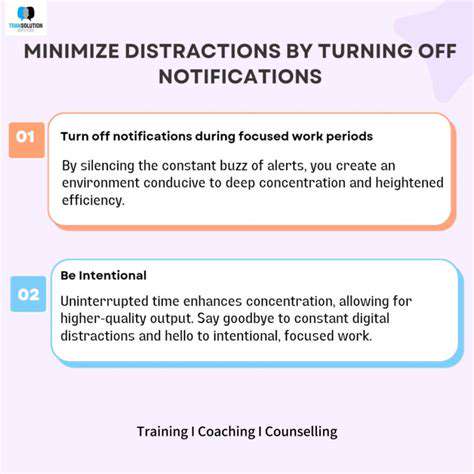
When organizing your physical space, also pay attention to your digital environment. Close unnecessary tabs and applications, and utilize productivity tools like website blockers during work hours. This proactive approach can help in limiting access to potential distractions.
Utilize Time Management Techniques
Implementing effective time management strategies is crucial in minimizing distractions. Techniques such as the Pomodoro method, where you work for 25 minutes followed by a 5-minute break, are popular for maintaining focus. Many users report a boost in productivity levels as it prevents mental fatigue and aids concentration.
- Set clear goals for each work session.
- Use timers to keep you accountable.
- Incorporate breaks to refresh your mind.
Set Boundaries and Communicate
To foster a distraction-free working environment, it's vital to communicate boundaries to your colleagues, family, or housemates. Let them know your working hours and the importance of minimizing interruptions during those times. Having explicit discussions can help them respect your focus needs.
Additionally, consider using visual cues such as a do not disturb sign or specific work attire. These signals can reinforce your focus zones not only for you but also for those around you.
Leverage Technology Wisely
Technology can be a double-edged sword when it comes to distractions. While smartphones and computers offer abundant information, they can also be sources of distraction. Leverage productivity apps that help you stay on track by providing reminders or limiting time spent on distracting sites.
Moreover, consider utilizing tools like calendar scheduling apps or project management software. They can help you organize tasks more effectively, Minimizing the cognitive load that often leads to distractions. Staying organized can streamline your workflow and keep you focused on your goals.
Regularly Reflect and Adapt

Understanding the Importance of Reflection
Regular reflection helps individuals assess their progress and identify shortcomings. By taking time to analyze what works and what doesn’t, you can tailor your strategy for better outcomes. This practice not only improves decision-making but also reinforces a growth mindset.
Research shows that individuals who regularly engage in reflective practices exhibit higher levels of productivity and creativity. Reflection encourages deeper thinking and leads to more effective problem-solving.
Setting Aside Time for Reflection
Integrating reflection into your routine requires intentionality. Setting aside specific times during the week for reflection can create a habit that becomes essential to your workflow. Using tools like calendar reminders or dedicated journals can help establish this practice effectively.
Moreover, consider different settings for your reflective sessions, whether it be in a quiet corner of your office or a favorite coffee shop. Changing the environment can stimulate fresh ideas and perspectives.
Utilizing Structured Reflection Techniques
- Journaling: Encourages detailed documentation of thoughts and experiences.
- Mind Mapping: Visually connects ideas and identifies patterns.
- SWOT Analysis: Assesses strengths, weaknesses, opportunities, and threats.
Structured techniques can lead to deeper insights during reflection sessions. For instance, journaling allows you to articulate your thoughts, while mind mapping can visually represent connections that may not be immediately apparent. Implementing these methods can provide clarity and focus.
Adapting Your Work Habits
Staying flexible and open to change is critical in any professional setting. Adapting work habits based on reflection can drive productivity to new heights. If certain strategies aren't yielding results, it’s essential to recognize that early and pivot accordingly.
This could mean shifting from individual to collaborative projects or changing the tools you use to manage your tasks. Regularly revisiting and adjusting these factors helps in maintaining efficiency.
Leveraging Feedback for Improvement
Feedback from peers or supervisors can significantly enhance the reflection process. Actively seeking constructive criticism allows for a more comprehensive understanding of your performance. It’s also beneficial to view feedback as a tool for growth rather than personal assessment.
Utilizing platforms that enable 360-degree feedback can provide diverse perspectives and deeper insights into your work habits. Engaging with this feedback can help solidify your learning and adaptation processes.
Measuring Success and Progress
Establishing measurable outcomes for your new habits can streamline the reflection process. Whether it's increasing output, meeting deadlines, or enhancing communication, having clear metrics helps gauge improvement. Regular assessments against these metrics can serve as powerful motivators.
Utilizing analytics tools, especially in digital workspaces, can provide quantitative data to complement your qualitative reflections. This dual approach ensures a holistic view of your work habits and their effectiveness.
Building a Supportive Network
Connecting with like-minded individuals can significantly enhance your reflection and adaptation practices. Sharing experiences and insights fosters a culture of continuous growth. Surround yourself with a network that values self-improvement and encourages open discussions about challenges encountered.
Engaging with such communities can provide additional resources and strategies that refine your work habits. The diverse thoughts and experiences shared can lead to innovative ideas and approaches that you might not have considered alone.